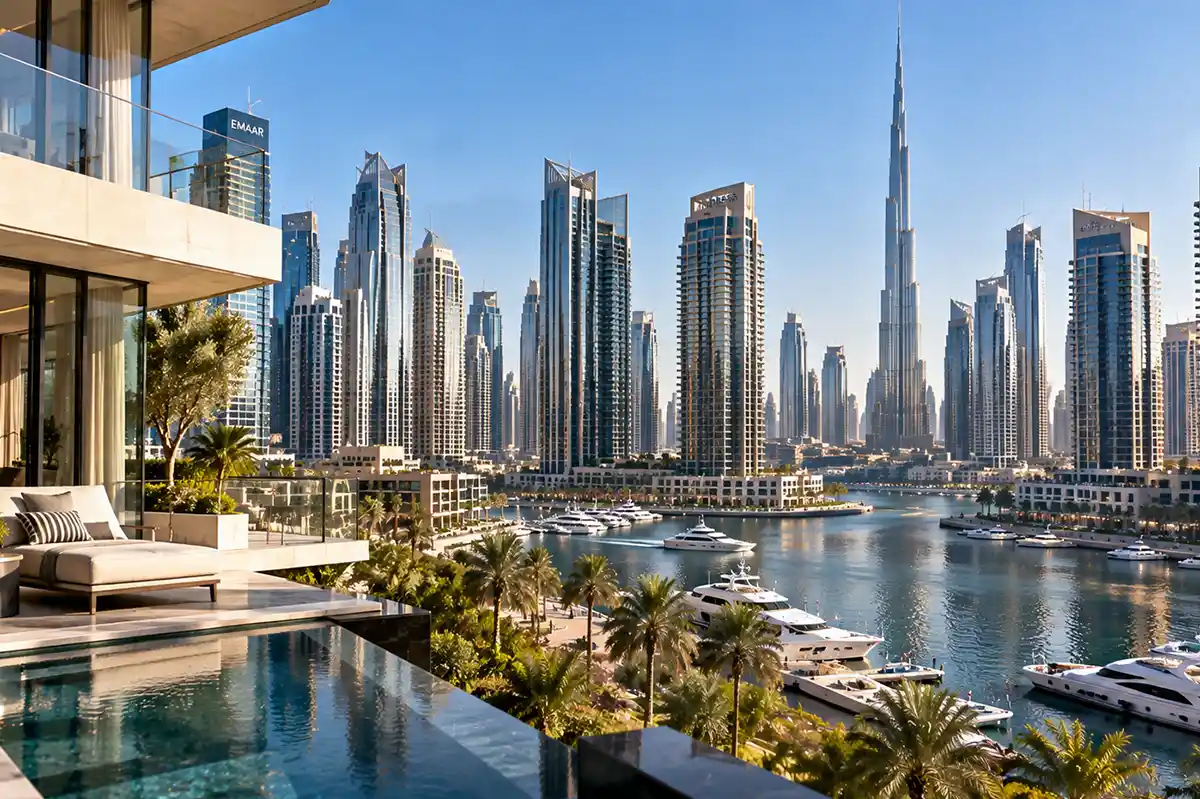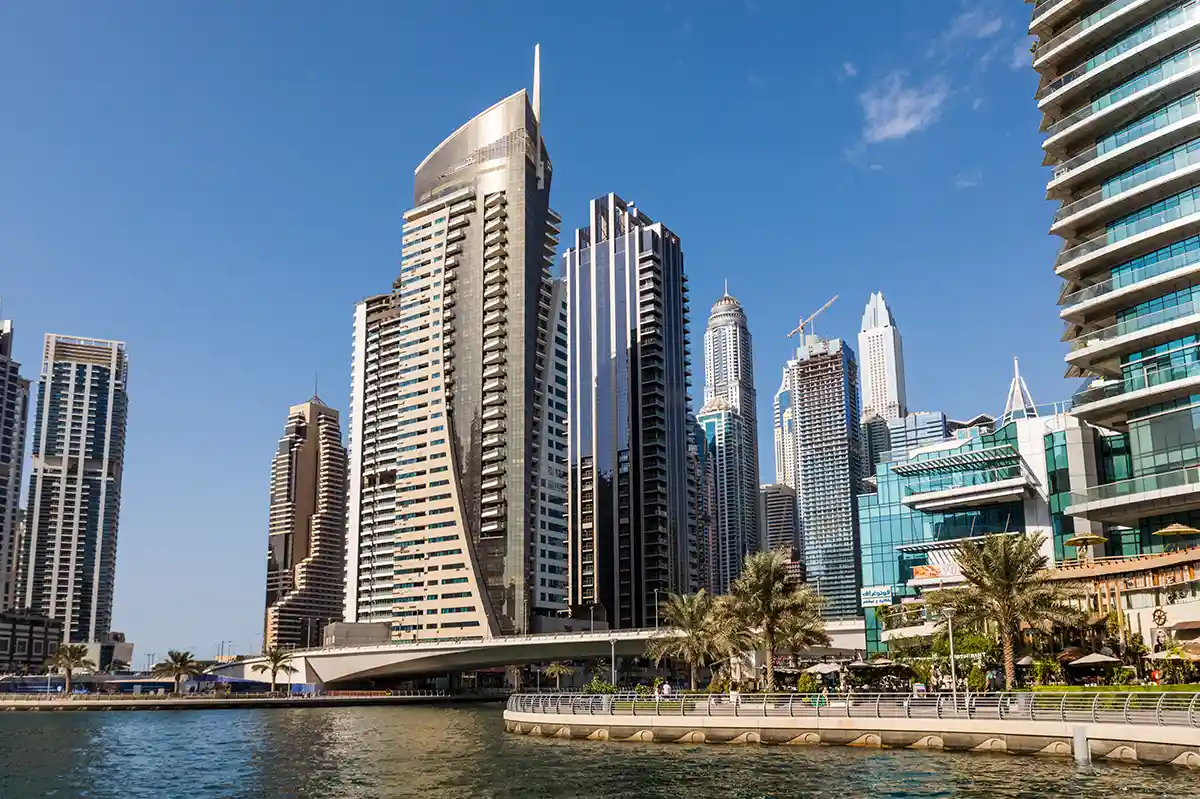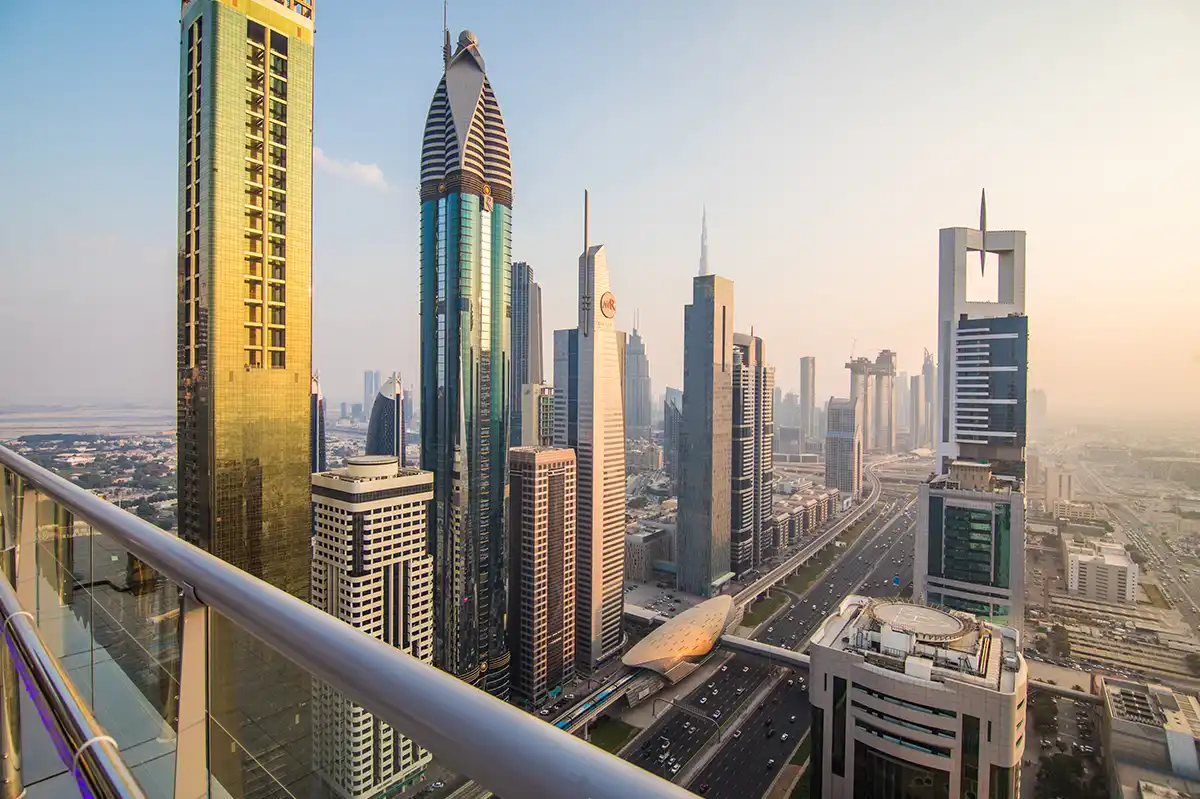
Dubai has firmly established itself as one of the most dynamic and lucrative real estate markets in the entire world. With its stunning skyline, tax free environment, and unparalleled safety, it is no wonder that investors from every corner of the globe are flocking to the city. Whether you are looking for a luxury holiday home, a permanent residence for your family, or a high yield investment asset, the Dubai real estate sector offers something for absolutely everyone. However, buying property in a foreign country can be a complex endeavor if you are not armed with the right knowledge. The market moves incredibly fast, and making a highly informed decision is the only way to guarantee a successful transaction.
For international buyers, the introduction of designated freehold zones Dubai revolutionized the market. Before these areas were established, foreign ownership was heavily restricted. Today, buying in designated freehold zones Dubai gives you absolute ownership of the physical property and the land it sits on, allowing you to sell, lease, or occupy it as you see fit. Because the landscape is so vast, buyers need a structured approach to navigate the sheer volume of available options, legal requirements, and financial structuring.
To help you make the smartest possible investment, we have compiled the ultimate guide. This comprehensive checklist covers the 15 critical things every smart buyer must check before committing to a purchase. From understanding the geography of designated freehold zones Dubai to navigating the legal paperwork, this guide will ensure your investment journey is smooth, secure, and profitable.
1. Verify the Location and Designated Freehold Zones Dubai
The very first step in your property buying journey is confirming where you are legally allowed to buy. The United Arab Emirates has specific laws regarding property ownership based on nationality. If you are not a UAE or GCC citizen, you are restricted to purchasing properties in designated freehold zones Dubai. Thankfully, the government has allocated the most desirable and vibrant communities as freehold.
These designated freehold zones Dubai include world famous locations such as Dubai Marina, Downtown Dubai, Palm Jumeirah, Arabian Ranches, and Jumeirah Lake Towers. Buying in designated freehold zones Dubai means you have complete ownership rights in perpetuity. When browsing properties for sale, always ask your agent to confirm that the location falls under the designated freehold zones Dubai category. Investing outside of these areas usually means you are entering a leasehold agreement, which only grants you rights for a set number of years, typically up to 99 years. For maximum capital appreciation and legacy planning, sticking to designated freehold zones Dubai is the most strategic choice you can make.
2. Research the Developer and Ensure They are a RERA Registered Developer
Dubai has strict regulatory frameworks designed to protect buyers, but the responsibility still falls on the investor to do their due diligence. Before you even consider handing over a deposit, you must verify the credibility of the company building the project. The most crucial check is confirming that you are dealing with a RERA registered developer. RERA stands for the Real Estate Regulatory Agency, which is the regulatory arm of the Dubai Land Department.
When a company is a RERA registered developer, it means they have met stringent government criteria regarding their financial stability and operational history. Furthermore, a RERA registered developer is legally required to place all investor funds into a secure escrow account. This account is monitored by the government, and the developer can only access the funds as construction milestones are completed. Buying from a RERA registered developer eliminates the risk of funds being misappropriated and ensures that your investment is protected by the full weight of Dubai real estate law.
3. Conduct Dubai REST App Project Verification
In the modern digital age, the Dubai government has provided investors with incredibly powerful tools to monitor their investments. One of the most important steps you can take is performing a Dubai REST app project verification. The Dubai REST application is an official platform created by the Dubai Land Department that allows buyers to track the real time progress of any registered construction project in the emirate.
Instead of relying solely on marketing brochures or promises made by sales agents, you can use the Dubai REST app project verification feature to see official government inspection reports. The app provides exact percentage breakdowns of construction milestones, showing you how much of the foundation, structure, and finishing has been completed. Performing a Dubai REST app project verification gives you peace of mind and allows you to confirm that the project is running on schedule before you commit your hard earned money.
4. Understand Property Types and Ownership Rules
Once you have zeroed in on the designated freehold zones Dubai, you need to decide on the type of property that aligns with your investment goals. Dubai offers a staggering variety of property types, from ultra luxury penthouses and high rise apartments to sprawling golf course villas and modern townhouses.
Each property type in designated freehold zones Dubai comes with its own set of rules and potential returns. Apartments generally offer higher gross rental yields, making them excellent for cash flow investors. Villas and townhouses, on the other hand, tend to experience stronger capital appreciation over time and attract long term family tenants, which reduces vacancy rates. Understanding the specific market dynamics within the designated freehold zones Dubai will help you choose the right asset class for your portfolio.
5. Analyze Off-Plan Payment Plans Dubai
One of the biggest drivers of the local real estate boom is the availability of flexible financing directly from developers. If you are looking at off plan properties in UAE, you must carefully analyze the various off-plan payment plans Dubai has to offer. Developers offer highly competitive structures to attract buyers before the property is actually built.
You might encounter off-plan payment plans Dubai that require a 10 percent down payment, with the remaining 90 percent spread out over the construction period. Other highly attractive off-plan payment plans Dubai include post handover structures. In a post handover plan, you might pay 50 percent during construction and the remaining 50 percent over three to five years after you have already received the keys. This allows investors to rent out the property and use the rental income to pay off the remaining balance. Always ensure the off-plan payment plans Dubai you choose align comfortably with your cash flow projections.
6. Calculate the Total Initial Purchasing Costs
A common mistake made by first time buyers is only looking at the property purchase price and forgetting to factor in the associated closing costs. When buying property, particularly within designated freehold zones Dubai, you need to have a clear picture of your total initial outlay.
The most significant additional cost is the Dubai Land Department transfer fee, which is strictly set at 4 percent of the property value. In addition to this, you will need to account for real estate agency fees, which are typically 2 percent of the purchase price plus Value Added Tax. There are also various administrative fees for issuing the title deed and registering the property. Having a precise calculation of these costs prevents any nasty financial surprises as you approach the final stages of the transaction.
7. Review the Service Charge Index Dubai
Owning a property comes with ongoing financial responsibilities that must be factored into your return on investment calculations. In Dubai, property owners must pay annual maintenance fees for the upkeep of common areas, security, elevators, and amenities like swimming pools and gyms. To protect buyers from arbitrary price hikes, the government introduced the Service Charge Index Dubai.
Before buying, you should always consult the Service Charge Index Dubai through the official Land Department portal. The Service Charge Index Dubai provides a transparent, government approved rate per square foot for maintenance fees in specific buildings and communities. By checking the Service Charge Index Dubai, you can accurately estimate your ongoing yearly costs and calculate your true net rental yield. Properties with excessive service charges can severely eat into your profits, so this check is absolutely vital for smart investors.
8. Secure Mortgage Pre-Approval Dubai Non-Resident
If you are not buying in cash, securing financing should be one of your earliest steps. Many international investors are surprised to learn that UAE banks are highly receptive to lending to foreigners. However, obtaining a mortgage pre-approval Dubai non-resident status requires specific documentation and adherence to Central Bank regulations.
For foreign investors, the maximum loan to value ratio is typically 60 percent, meaning you will need a minimum down payment of 40 percent. Getting a mortgage pre-approval Dubai non-resident status involves providing the bank with six months of bank statements, proof of income or business ownership, and a clean credit report from your home country. Securing your mortgage pre-approval Dubai non-resident status before you start property hunting gives you a clear budget and puts you in a much stronger negotiating position with sellers, as they will view you as a serious and prepared buyer.
9. Draft a Bulletproof Form F Memorandum of Understanding
When you find the perfect ready property in one of the designated freehold zones Dubai and agree on a price with the seller, the next step is formalizing the agreement. This is done through a legally binding document known as the Form F Memorandum of Understanding. This document is a standardized contract provided by the Dubai Land Department.
The Form F Memorandum of Understanding outlines every single detail of the transaction. It includes the agreed purchase price, the timeline for the transfer, who is responsible for paying specific fees, and the penalties for defaulting on the agreement. It is absolutely crucial that your Form F Memorandum of Understanding is filled out completely and accurately. Any special conditions, such as the seller agreeing to complete certain repairs before handover, must be explicitly written into the Form F Memorandum of Understanding to be legally enforceable.
10. Understand the Developer NOC Fee Dubai
Before a seller can legally transfer a ready property to a new buyer, they must prove that they have no outstanding debts to the property developer. This is done by obtaining a No Objection Certificate. The developer will only issue this certificate if all service charges and community fees are paid in full. There is an administrative cost associated with issuing this document, known as the Developer NOC fee Dubai.
While the seller is almost always responsible for paying the Developer NOC fee Dubai, the smart buyer must track this process closely. The Developer NOC fee Dubai generally ranges from 500 to 5000 dirhams depending on the developer and the complexity of the property. If the seller delays paying the Developer NOC fee Dubai, it can significantly stall the entire transfer process. Ensure your real estate agent is actively following up on the NOC issuance to keep your timeline on track.
11. Prepare for the DLD Trustee Office Transfer
The final and most important physical step in buying a ready property is the transfer of ownership. This procedure takes place at an authorized transfer center. The DLD trustee office transfer requires both the buyer and the seller, or their legally appointed representatives with a Power of Attorney, to be present.
During the DLD trustee office transfer, all final payments are made using secure manager checks. You will pay the remaining balance of the property to the seller, and hand over the 4 percent registration fee to the government. There is also a specific administrative fee charged for conducting the DLD trustee office transfer itself, which is usually 4000 dirhams plus VAT for properties over 500,000 dirhams. Once the DLD trustee office transfer is successfully completed, you will be issued your official Title Deed, officially making you the new legal owner of the property.
12. Check the Dubai Golden Visa Property Threshold
One of the most attractive incentives for buying real estate in designated freehold zones Dubai is the opportunity to secure long term residency. The UAE government offers a 10 year renewable residency permit for significant property investors. To qualify, your purchase must meet the specific Dubai Golden Visa property threshold.
Currently, the Dubai Golden Visa property threshold is set at a minimum property value of 2 million dirhams. The incredible benefit of the new regulations is that this Dubai Golden Visa property threshold can be met even if the property is mortgaged, subject to specific bank approvals, or if you are buying off plan properties. Meeting the Dubai Golden Visa property threshold allows you to sponsor your spouse, children, and domestic staff, and eliminates the requirement to visit the UAE every six months to keep your visa active.
13. Inspect Property Quality and Perform Snagging
If you are buying a brand new property directly from a developer, or a newly handed over unit in designated freehold zones Dubai, you must never skip the inspection phase. In the real estate industry, this is referred to as snagging. Snagging is the process of thoroughly inspecting the property for any cosmetic or functional defects before you sign the final handover documents.
Smart buyers always hire professional third party snagging companies. These experts use specialized equipment to check for structural issues, plumbing leaks, electrical faults, and poor finishing. If defects are found, the developer is legally obligated to fix them at their own cost during the warranty period. Catching these issues early saves you significant money and stress down the line.
14. Evaluate Rental Yields and ROI Potential
If your primary goal for buying in designated freehold zones Dubai is investment income, you must accurately evaluate the potential rental yields. Dubai is famous for offering some of the highest gross rental yields in the world, frequently averaging between 5 to 8 percent depending on the community.
Before committing, look at the current properties for rent in the exact same building or neighborhood to see what actual tenants are paying. Compare the potential rental income against your calculated expenses, including the maintenance costs you found on the Service Charge Index Dubai. You should also consider whether the property is better suited for standard annual leasing or highly lucrative short term holiday home rentals, which are extremely popular in prime designated freehold zones Dubai.
15. Research Future Infrastructure and Master Plans
Finally, the smartest real estate investors do not just buy a property; they buy into the future of a neighborhood. Dubai is a city of continuous growth and visionary urban planning. The government regularly announces massive infrastructure projects, new metro lines, expansive parks, and retail megaprojects.
When choosing a location within the designated freehold zones Dubai, research the Dubai 2040 Urban Master Plan. Buying a property near a future metro station or an upcoming mega mall can result in massive capital appreciation over a five to ten year period. Understanding the macro economic development of the designated freehold zones Dubai will help you pick an asset that multiplies in value long after you have completed the purchase.
Frequently Asked Questions
What are the steps to buy property in Dubai?
The steps to buy property begin with identifying your budget and preferred designated freehold zones Dubai. If you are buying a ready property, you will make an offer, sign the Form F Memorandum of Understanding, apply for a mortgage if necessary, wait for the seller to obtain the developer NOC, and finally complete the DLD trustee office transfer. If buying off plan, the steps involve selecting the unit, signing the Sales and Purchase Agreement, paying the initial deposit and DLD fees, and following the outlined payment plan until the project is handed over.
How much are the fees when buying property in Dubai?
When buying property in designated freehold zones Dubai, the primary fee is the 4 percent DLD registration fee. You must also account for a 2 percent real estate agency fee plus 5 percent VAT on that agency fee. There are smaller administrative fees for the NOC, the trustee office transfer, and mortgage registration fees which usually amount to 0.25 percent of the loan value. Generally, buyers should set aside roughly 6 to 7 percent of the property purchase price to cover all closing costs comfortably.
What is the Dubai property buying process for a first-time buyer?
For a first time buyer, the process should always start with education and partnering with a reputable, licensed real estate agency. You should first secure your finances, whether through cash reserves or getting a mortgage pre approval. Then, you will view properties within designated freehold zones Dubai that match your criteria. Once you select a property, your agent will guide you through drafting the contract, ensuring all legal protections are in place, and escorting you through the final transfer process. It is highly streamlined, but professional guidance is highly recommended.
What should I check before buying property in Dubai?
Before buying property, especially in designated freehold zones Dubai, you should rigorously check the credibility of the developer to ensure they are RERA registered. You must check the official title deed of ready properties to ensure there are no legal disputes. You should review the specific service charges using the government index to project ongoing costs, and verify all construction progress using official government applications to ensure your investment is safe and on track.
How do I evaluate a property investment in Dubai?
To properly evaluate a property investment in designated freehold zones Dubai, you need to calculate both the net rental yield and the potential for capital appreciation. To find the net yield, estimate your gross annual rent and subtract all yearly expenses, including maintenance fees and property management costs. For capital appreciation, look at historical price trends in the specific community, upcoming infrastructure projects nearby, and supply and demand metrics for that particular property type.
Do I need to be a UAE resident to buy property in Dubai?
No, you do not need to be a UAE resident to buy property. Foreign investors living abroad can easily purchase real estate in any of the designated freehold zones Dubai. You only need a valid passport to complete the transaction. In fact, purchasing a property that meets the required financial threshold is one of the easiest pathways to actually becoming a resident, granting you access to long term visas for you and your family.
What is the DLD registration fee and who pays it?
The DLD registration fee is a mandatory government charge required to legally register the property under the new buyer's name. It is set at exactly 4 percent of the total property purchase price. By standard market practice in designated freehold zones Dubai, this 4 percent fee is paid entirely by the buyer. It is payable at the time of the final transfer for ready properties, or at the time of the initial deposit for off plan purchases.
Your Next Steps Toward Dubai Real Estate Success
Navigating the complexities of designated freehold zones Dubai, understanding detailed payment structures, and ensuring all legal protections are in place requires deep market expertise. The checklist provided above will give you a massive advantage, but having a trusted professional by your side is the ultimate key to a stress free and highly profitable transaction.
As a premier real estate agency in Dubai, Gi Properties is dedicated to helping local and international investors find their perfect assets. Our team of highly experienced and licensed professionals will guide you through every single step of this checklist, from sourcing the best units in top designated freehold zones Dubai to handling all negotiations and paperwork. Whether you are looking for a high yield rental apartment or a luxury family villa, contact Gi Properties today and let us turn your real estate investment vision into a secure and profitable reality.