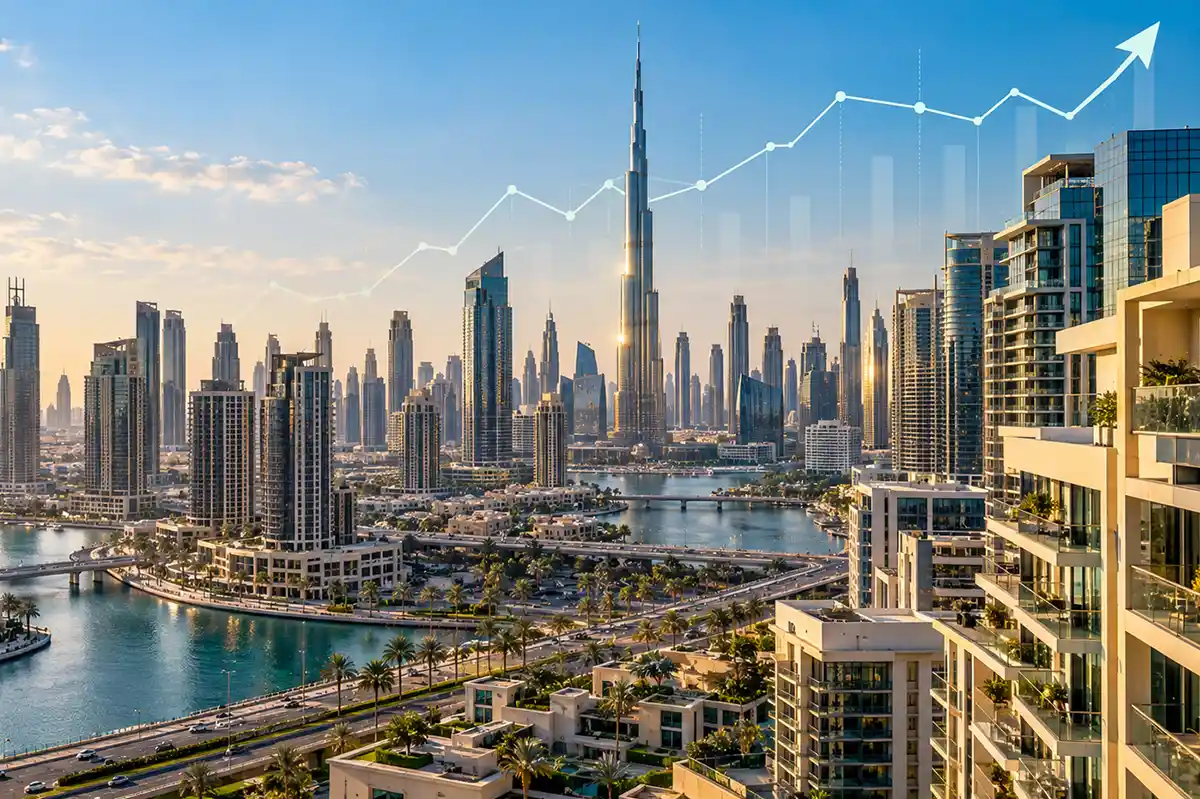
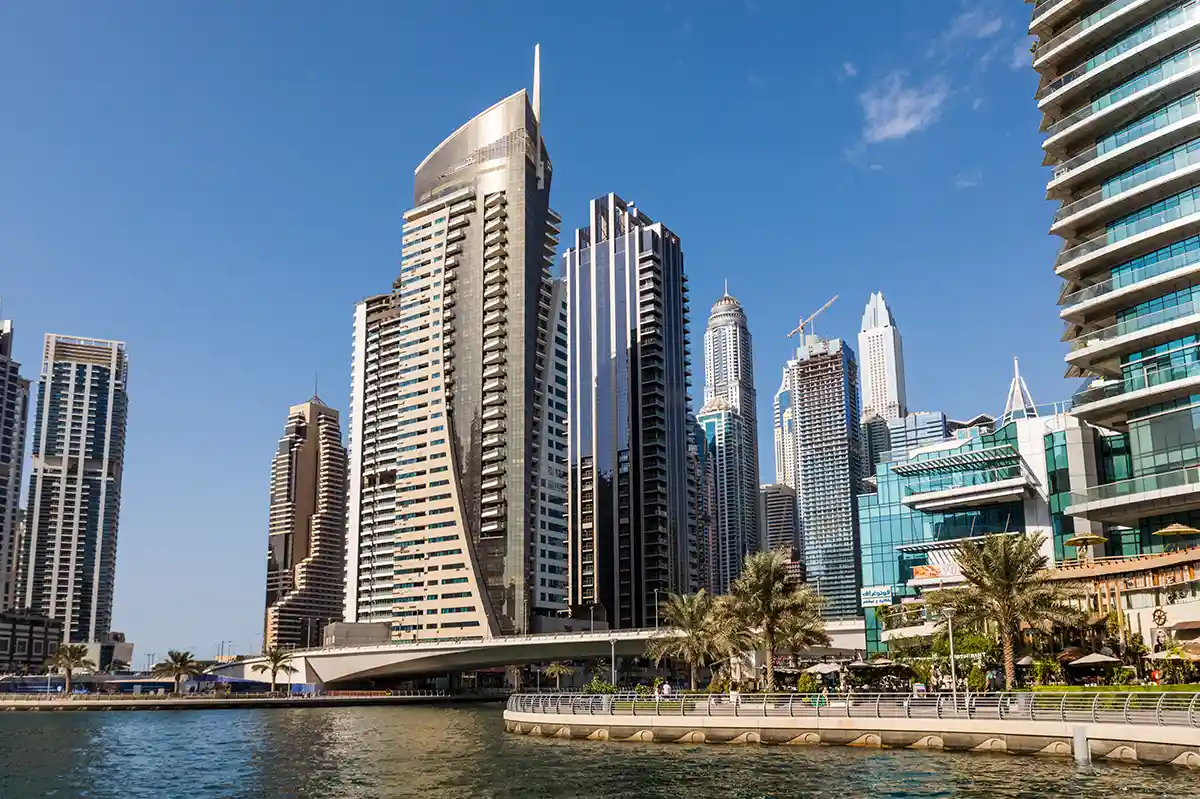
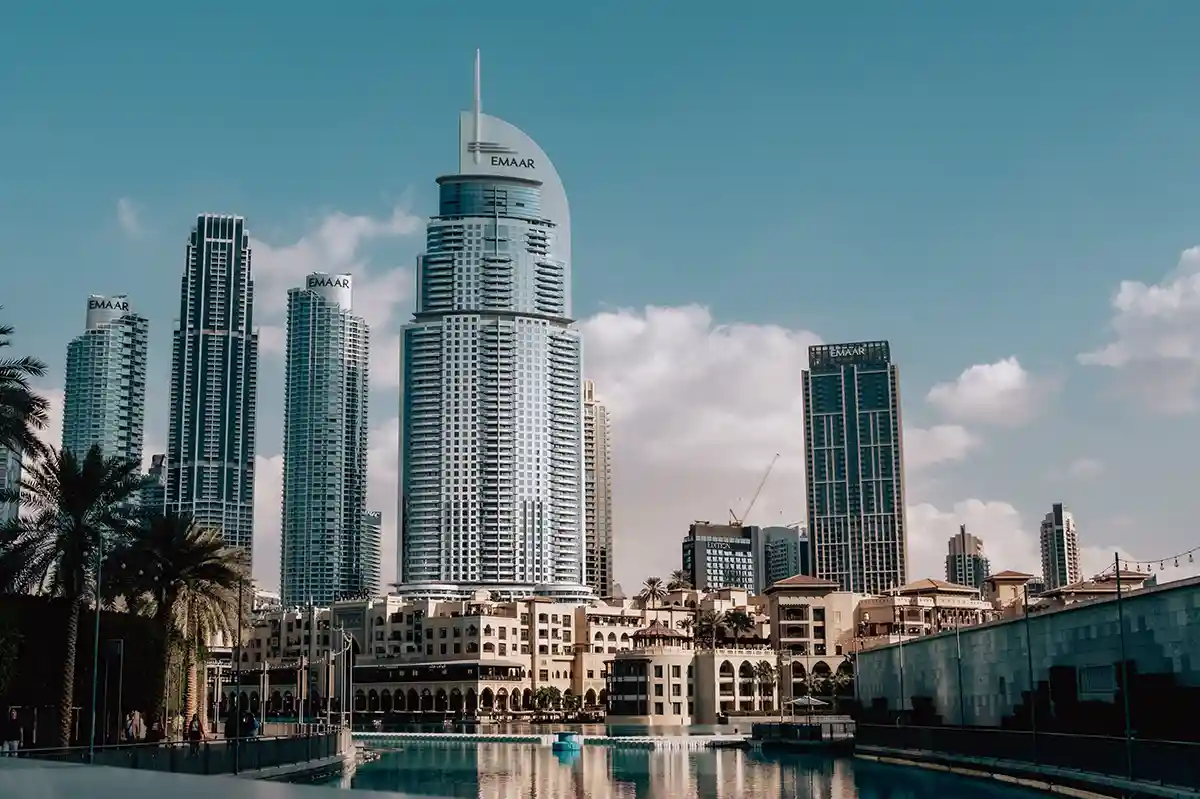
Navigating the vibrant landscape of real estate in Dubai requires precision, strategic planning, and a strong understanding of market cycles. Whether you own an executive studio in Downtown, a spacious villa in Dubai Land, or a luxury residence overlooking the Arabian Gulf, knowing exactly when to list your asset can significantly impact your return on investment. Homeowners and investors constantly assess market signals to answer one vital question: when is the optimal time to exit or rebalance a portfolio?
Dubai has established itself as a top-tier global economic hub, drawing expatriates, high-net-worth individuals, and international institutional funds. Consequently, real estate sales in the emirate experience unique seasonal movements, macroeconomic influences, and buyer demographics. In this comprehensive guide, we explore the essential factors that determine the ideal moment to sell, seasonal trends, macroeconomic drivers, property-specific considerations, and how to maximize your capital appreciation.
Understanding the Dubai Real Estate Landscape
The dynamic nature of properties in Dubai sets the market apart from many traditional Western real estate hubs. While traditional markets may rely heavily on domestic demographic shifts or interest rate fluctuations alone, Dubai operates as an international marketplace. Investors from Europe, Asia, the Americas, and the wider Middle East region actively participate in property transactions daily.
Understanding how this global demographic interacts with local supply and demand is crucial for effective real estate selling. The market consists of diverse asset classes ranging from luxury waterfront villas and off-plan high-rises to prime land options across the UAE. For instance, high-net-worth buyers looking at prime sectors may seek luxury coastal estates, while institutional investors might simultaneously analyze opportunities like land for sale in Abu Dhabi or large commercial opportunities across neighboring markets.
However, local market dynamics inside Dubai govern short-term price movements and buyer liquidity. To achieve top market values, property owners must analyze seasonal buyer habits, broader interest rate environments, local regulatory enhancements, and overall economic performance.
Seasonal Trends: Finding the Peak Selling Window
Seasonality plays a substantial role in real estate transactions across the United Arab Emirates. Due to the climate and global holiday schedules, buyer activity fluctuates predictably throughout the calendar year.
The Peak Season: October to April
The period spanning from mid-October through April is widely regarded as the prime window for listing a Dubai home for sale. During these cooler autumn, winter, and spring months, the city welcomes millions of tourists, business travelers, and seasonal residents.
Key features of the peak season include:
- High Buyer Footfall: Open houses and property viewings experience significantly higher attendance.
- International Presence: Foreign investors visit the city during winter holidays and business conferences, providing prime opportunities to market high-end real estate in Dubai for sale.
- Eagerness to Finalize Deals: Buyers operating during peak months often aim to finalize acquisitions before the close of the financial year or prior to the start of the new academic school term.
If you own premium assets, such as luxury villas or coveted Burj Khalifa homes for sale, presenting your property when the city is buzzing with tourist activity guarantees maximum visibility.
The Off-Peak Season: May to September
During the warmer summer months from May through September, transaction volumes traditionally slow down. Many residents travel abroad for summer vacations, and international buyers often pause their site visits.
However, listing during the off-peak season is not without advantages:
- Less Competition: Fewer active listings mean your property faces less direct competition on listing portals.
- Serious Buyers: Individuals viewing real estate during the summer months are typically highly motivated end-users or institutional investors looking for serious transactions rather than casual browsing.
- Negotiation Focus: Highly focused prospective buyers allow sellers to engage in direct, efficient negotiations.
Key Factors That Determine the Best Time to Sell
While seasonality provides a general baseline, macroeconomic indicators, property location, and asset class dictate the true best time to place your property on the market.
1. Macroeconomic Drivers and Global Demand
Dubai functions as a safe-haven destination for international capital. Geopolitical stability, tax efficiency, and long-term residency initiatives, such as the UAE Golden Visa program, continue to attract capital into properties in Dubai.
When international economic conditions prompt high-net-worth investors to look for stable yield options, demand for property for sale in Dubai surges. Keeping an eye on international market sentiment allows sellers to capitalize on capital inflows when demand peaks.
2. Supply and Demand Dynamics in Your Specific Area
Real estate trends are rarely uniform across an entire metropolitan area. While the supply of apartments in a newly developed master community might be increasing, prime established waterfront areas might face supply scarcity.
Before listing your property, review community-specific transaction data:
- High Inventory Areas: If your neighborhood has multiple handover projects completing simultaneously, listing right before or right after handover might saturate the market with similar units.
- Low Supply, High Demand Areas: Established communities with limited vacant plots often experience sustained price growth regardless of broader economic seasonality. Sellers in these micro-markets hold significant pricing power.
3. Interest Rates and Mortgage Liquidity
A significant portion of end-user homebuyers rely on bank financing. When interest rates drop, borrowing costs decrease, directly boosting buyer purchasing power. Lower mortgage rates expand the buyer pool for a standard Dubai apartment for sale or family townhouse, as monthly mortgage payments become more competitive compared to local rental prices. Conversely, in higher interest rate environments, cash-rich investors dominate the purchasing pool, shifting demand toward yield-generating assets and prime luxury inventory.
4. Infrastructure Development and Community Milestones
The expansion of Dubai’s transportation networks, new metro line additions, retail centers, and world-class schools directly impacts surrounding property values. Listing a property immediately following the announcement or completion of a major infrastructure project in your neighborhood can net higher premiums.
For example, homeowners near expanding commercial zones or beachfront extensions often enjoy sudden spikes in buyer interest as accessibility improves.
5. Tenancy Status and Rental Yields
If your property is currently rented, the remaining duration on the tenancy contract heavily influences buyer interest:
- Selling to Investors: Investors prefer units with verified, market-rate rental income streams already in place. High-yield properties represent turnkey assets for portfolio buyers.
- Selling to End-Users: End-user buyers prefer vacant properties or those with near-term lease expiry dates, allowing them to move into the home without lengthy eviction notice periods.
Aligning your sales launch with your tenant's lease renewal cycle gives you the flexibility to market the property to both user groups effectively.
Evaluating Different Asset Classes in the Dubai Market
Different types of properties in Dubai follow distinct buyer journeys. Knowing how your specific asset class behaves helps tailor your sales timing and strategy.
| Property Type | Target Buyer Profile | Key Selling Driver | Optimal Market Condition |
| Residential Apartments | Young Professionals, First-time Buyers, Yield Investors | Rental Yields, Proximity to Business Districts | Stable Interest Rates, High Rental Market Demand |
| Luxury Villas & Townhouses | Families, High-Net-Worth Individuals (HNWIs) | Living Space, Private Amenities, Community Reputation | Cooler Months (Oct-Apr), High Tourist Inflow |
| Prime Commercial & Hotels | Institutional Funds, Corporate Entities | Capital Appreciation, Long-term Lease Agreements | Strong Tourism Growth, Economic Expansion |
| Land & Development Plots | Developers, Ultra-HNWIs | Custom Build Potential, Future Zoning Rights | Strategic Master Plan Announcements |
Residential Apartments
Apartments represent the largest volume segment of Dubai sales. Buyers in this segment range from first-time homeowners seeking entry-level housing to global investors acquiring multiple units to build high-yield portfolios. The timing for selling an apartment depends on local rental yields and employment growth within commercial districts such as Business Bay, Dubai Marina, and Downtown Dubai. Finding an experienced real estate agency in Dubai helps ensure your apartment is priced accurately relative to recent neighborhood transactions.
Luxury Houses and Prime Villas
The luxury housing segment operates under distinct principles. Buyers searching for houses for sale in Dubai often seek long-term family residences or prestigious holiday homes. Demand for luxury residences in communities like Emirates Hills, Palm Jumeirah, and Mohammed Bin Rashid City remains resilient due to the fixed supply of large land plots. These high-value properties usually perform exceptionally well during the winter months, when international buyers visit the city.
Prime Waterfront Land and Exclusive Plots
Plots of land located in prime locations command high premiums. Investors looking for land for sale in Palm Jumeirah in Dubai or exclusive plots along the coastline often seek to build customized mansions or luxury boutique developments. Because land supply in established coastal zones is strictly limited, timing the sale of land options depends less on seasonality and more on identifying qualified, ultra-high-net-worth buyers ready to deploy capital.
Commercial Assets and Hotel Properties
Dubai’s reputation as a top global commercial hub drives continuous demand for hospitality and commercial real estate. Investors exploring options like a hotel for sale in Dubai, boutique commercial units, or entire resort complexes analyze long-term tourism stats, occupancy rates, and average daily room rates.
When tourism figures reach record highs, confidence in hospitality assets increases, creating an excellent environment for owners considering listing a Dubai hotel for sale or reviewing broader corporate real estate sales options.
Step-by-Step Guide to Preparing Your Property for Sale
Once you have identified the right time to sell, proper preparation ensures you achieve the highest possible market price within your desired timeframe.
Step 1: Gather Essential Documentation
To avoid delays during the transaction process, ensure all legal and financial documents are in order before listing:
- Title Deed issued by the Dubai Land Department (DLD).
- Passports, Emirates IDs, and contact details of all registered owners.
- Recent utility bills from DEWA showing settled balances.
- A clear record of service charge payments to your building or community management company.
- Mortgage payoff letters if the property has an active bank loan.
Step 2: Address Maintenance and Cosmetic Repairs
First impressions significantly impact a buyer's willingness to make an offer. Small investments in property maintenance often yield higher returns on the final price:
- Fresh Paint: Applying neutral interior paint makes rooms look larger, brighter, and cleaner.
- Fix Minor Defects: Repair leaking faucets, loose cabinet handles, squeaky doors, or damaged tiles.
- Deep Cleaning: Ensure windows, AC vents, carpets, and outdoor terraces are professionally cleaned.
Step 3: Stage the Property for Viewings
Staging helps potential buyers visualize living in the space. Remove personal clutter, family photographs, and excess furniture to create an open, bright atmosphere. Ensure natural sunlight floods the property during viewings, and maintain a comfortable interior temperature.
Step 4: Establish a Competitive Pricing Strategy
Pricing your property correctly from the initial launch date is critical. Setting an excessively high price can cause your listing to sit on the market for months, eventually requiring price drops that give buyers extra leverage. Conversely, underpricing leaves valuable capital on the table.
Work with real estate professionals to run a Comparative Market Analysis (CMA) evaluating:
- Recent completed transactions of similar units in your immediate building or community.
- Current active listings representing your direct competition.
- Historical price appreciation trends over the preceding 6 to 12 months.
Homeowners seeking secondary home opportunities or wanting to explore current availability across the market can browse through active properties for sale to understand how competing homes are presented and priced.
Navigating the Legal and Financial Steps of Selling Property in Dubai
Understanding the formal selling process ensures a smooth transaction from listing to final transfer.
Form A: The Brokerage Agreement
To officially market your property in Dubai, you must sign Form A with your chosen real estate agency. Form A is a standardized contract approved by the Real Estate Regulatory Agency (RERA) that details the property specs, agreed commission rate, listing price, and marketing channels. Sellers can sign Form A with up to three agencies simultaneously, though opting for an exclusive listing with a single agency often leads to dedicated marketing support and better representation.
Form F: The Memorandum of Understanding (MOU)
Once you accept an offer from a buyer, both parties sign Form F (also known as the Memorandum of Understanding). Form F serves as the legally binding sales contract outlining:
- Agreed purchase price and payment structure.
- Target completion date.
- Inclusion of furniture, appliances, or fixtures.
- Allocation of transfer fees and commissions.
At the time of signing Form F, the buyer provides a 10% security deposit, typically held by the real estate brokerage until the transfer is complete.
Obtaining the No Objection Certificate (NOC)
Before transferring ownership at the Dubai Land Department, the seller must apply for a No Objection Certificate (NOC) from the master developer (e.g., Emaar, Nakheel, Dubai Properties). The NOC verifies that all service fees, community charges, and utility bills have been paid in full and that the developer has no objection to the transfer. NOC processing usually takes between 2 to 7 working days, depending on the developer.
The Final Transfer at the Trustee Office
The final step takes place at an official DLD Registration Trustee office. Both seller and buyer (or their legal Power of Attorney representatives) attend to complete the transaction:
- The buyer pays the remaining purchase balance via Manager’s Cheques.
- The buyer pays the standard 4% DLD transfer fee plus administrative trustee fees.
- The trustee office verifies all documents, clears any existing mortgages, and issues the new Title Deed in the buyer's name.
- The buyer releases the funds to the seller, completing the transaction.
Market Alternatives: When to Rent vs. When to Sell
Sometimes homeowners debate whether to sell their unit or retain it as an income-generating asset within their rental portfolio.
Advantages of Holding and Renting Your Property
If market conditions suggest waiting before selling, converting your property into a rental asset offers several benefits:
- Strong Rental Yields: Dubai offers some of the highest gross rental returns among major global cities, often ranging between 6% and 9% depending on the community and asset type.
- Consistent Cash Flow: Monthly or quarterly rental payments provide steady passive income while you wait for peak selling conditions.
- Capital Appreciation Potential: Retaining the asset allows you to capture future value growth driven by infrastructure upgrades.
Property owners who decide to retain their assets and build long-term cash flow can monitor regional tenant demand by viewing active properties for rent across key residential sectors.
When Selling Makes Better Sense
Selling remains the preferred path if:
- You have achieved your targeted capital appreciation goal and wish to lock in returns.
- You plan to reallocate capital into higher-yielding investments, such as entering early-stage projects or exploring off plan properties in UAE to maximize capital growth over a construction cycle.
- You need liquidity for personal or diversification reasons.
Frequently Asked Questions (FAQs)
When is the best time to sell property in Dubai?
The optimal time to sell property in Dubai is generally during the peak winter months between October and April. During this period, warmer weather attracts high international buyer traffic, tourism, and business activity, expanding the pool of prospective investors. However, high-demand micro-markets and uniquely upgraded homes can achieve strong sales results year-round if priced accurately.
Is it better to sell property in Dubai during peak season or off-season?
Peak season typically provides higher buyer footfall, faster viewing requests, and a wider pool of foreign buyers looking for immediate acquisitions. Off-season (May to September) offers lower market competition from other sellers and connects you with serious, highly motivated end-users. If your goal is maximum exposure, peak season is ideal; if your goal is standing out among limited listings, off-season can work well.
How do market conditions affect the right time to sell a property in Dubai?
Market factors such as local interest rates, broader economic confidence, upcoming inventory handovers, and tenant demand directly impact your property’s valuation and time on market. Low interest rates boost local buyer purchasing power, while global economic stability brings international capital inflows into luxury sectors. Monitoring community supply helps you list when inventory levels are balanced.
How long does it take to sell a property in Dubai?
On average, a correctly priced property takes between 30 to 60 days to find a buyer and secure a signed Memorandum of Understanding (Form F). Once Form F is signed, the legal transfer process at the Dubai Land Department Trustee office usually takes an additional 2 to 4 weeks for cash transactions, or 4 to 6 weeks if either party uses mortgage financing.
What costs and fees should I expect when selling a property in Dubai?
When selling a property in Dubai, sellers should plan for the following standard costs:
- Real Estate Brokerage Commission: Typically 2% of the total purchase price (plus 5% VAT).
- Developer No Objection Certificate (NOC) Fee: Ranges between AED 500 and AED 5,000 depending on the master developer.
- Mortgage Clearance / Early Settlement Fees: If applicable, bank fees apply to clear an outstanding home loan prior to transfer.
- Administrative & Trustee Fees: Minor fees for document processing and title deed clearance at the registration trustee office.
Maximize Your Property Value with Gi Properties
Navigating the real estate market requires strategic timing, in-depth market data, and dedicated professional guidance. As a leading boutique agency, Gi Properties provides tailor-made advisory services for homeowners looking to sell, buy, or manage high-value real estate assets across the United Arab Emirates. Whether you own a modern studio, a prime family townhouse, or an exclusive commercial asset, our team delivers detailed Comparative Market Analyses, targeted marketing campaigns, and seamless transaction handling from listing through DLD transfer. Understanding broad regional demand, including parallel interest across neighboring markets like Qatar real estate for sale, allows us to position your asset effectively in front of global buyers. Partnering with experienced advisors at Dubai real estate ensures your home receives maximum exposure and achieves top market value.
Ready to find out what your property is worth in today's market? Contact Gi Properties today to schedule a confidential valuation with one of our senior property consultants.