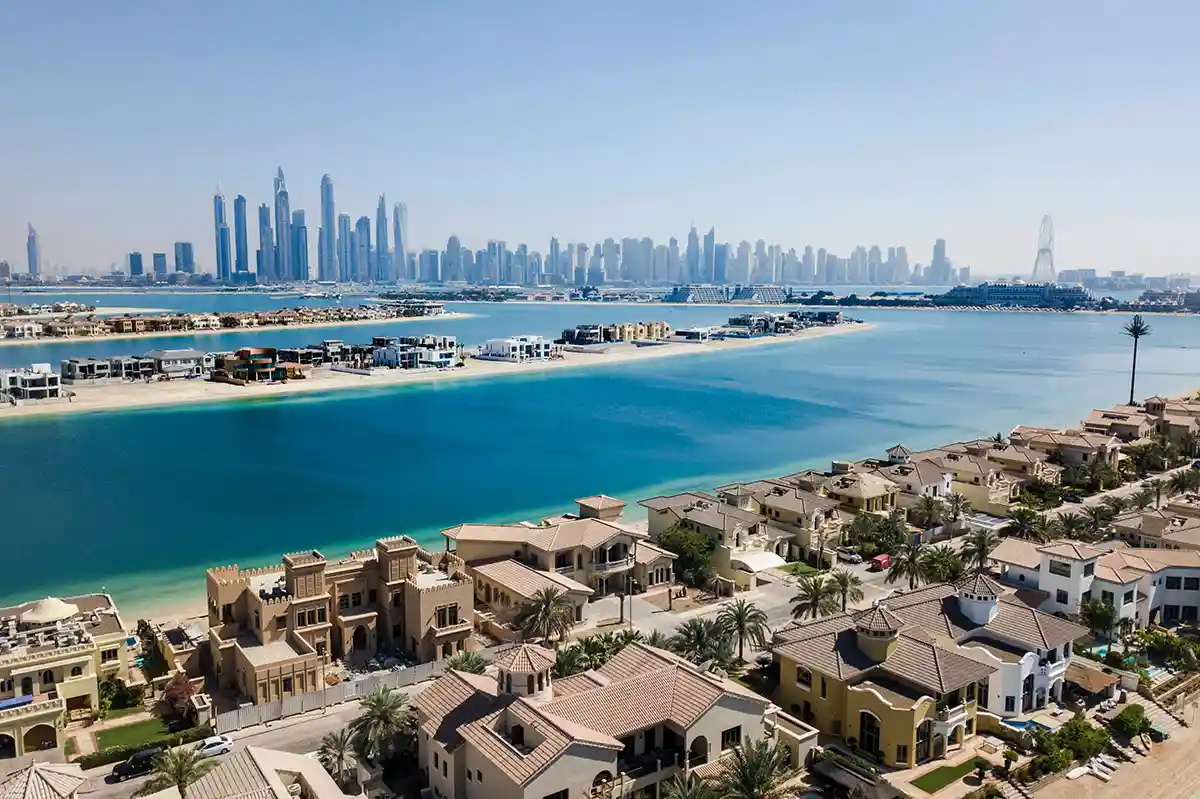
Dubai is globally celebrated for its groundbreaking architectural innovations, towering luxury skyscrapers, and sprawling master-planned villa communities. Receiving the keys to a newly constructed off-plan property or purchasing a pre-owned villa in prestigious districts such as Downtown Dubai, Palm Jumeirah, Dubai Marina, or Dubai Hills Estate is a major financial and personal milestone. However, stepping into a brand-new or recently handed-over residence often reveals an uncomfortable reality: striking visual design can easily conceal structural, cosmetic, or mechanical defects.
The rapid pace of construction across the United Arab Emirates often leads to tight delivery timelines, rushed handovers, and variable craftsmanship across different subcontractors. Minor issues like uneven tiling, unpainted door tops, or hairline drywall cracks may seem purely aesthetic. Yet, deeper concealed faults such as hidden plumbing leaks behind marble cladding, improperly balanced HVAC ductwork, faulty electrical distribution boards, or defective roof waterproofing can quickly turn a premium investment into a frustrating and expensive endeavor. This is where engaging a professional for property snagging becomes an indispensable step for every property owner and investor.
Partnering with a specialized property snagging company ensures your asset is rigorously evaluated by certified engineering inspectors before you sign the final handover certificate or release remaining payment installments. This comprehensive guide covers what property snagging involves, why it is critical within the UAE real estate ecosystem, when to schedule an inspection, how to evaluate prospective inspection partners in Dubai, and answers the most critical questions facing property buyers today.
What is Property Snagging?
To understand the inspection process, we must first address a fundamental question: what is property snagging? Property snagging is a detailed, systematic, and technical examination of a newly built or existing property to identify defects, unfinished work, architectural flaws, safety hazards, and operational failures. In real estate and construction terminology, a "snag" refers to any flaw, substandard finish, or technical fault that fails to meet contractual specifications, building codes, or established industry quality standards.
While an untrained home buyer might conduct a quick walk-through and spot obvious paint scuffs or a scratched kitchen countertop, professional property snagging in Dubai goes far beneath surface-level aesthetics. A certified technical inspector inspects every square meter of the premises, checking structural alignment, thermal performance, plumbing line integrity, electrical load balances, and air conditioning efficiency.
In practice, snagging defects are categorized into two primary classifications:
- Cosmetic Snags: Aesthetic faults that impact visual quality but do not hinder immediate structural or mechanical function. Common examples include minor paint runs, chipped kitchen cabinets, scratched window panes, hollow floor tiles, unsealed grout lines, and misaligned internal doors.
- Functional and Technical Snags: Serious operational failures, safety hazards, and structural deficiencies. Examples include inverted electrical socket polarity, hidden water leaks behind walls, insufficient AC airflow, blocked drainage pipes, missing ceiling thermal insulation, and compromised balcony waterproofing.
The ultimate goal of property snagging in UAE is to generate an itemized, highly objective digital report complete with high-resolution photographic evidence, exact physical locations, and technical severity ratings. This report serves as a formal, legally binding document submitted to the developer or contractor for mandatory rectification before key handover.
Why Property Snagging Is Important In Dubai
Understanding why property snagging is important in Dubai requires examining the unique real estate landscape, legal frameworks, and environmental factors in the United Arab Emirates.
1. Enforcing Developer Accountability Under UAE Law
Under UAE construction laws and Real Estate Regulatory Agency (RERA) frameworks, developers bear specific legal responsibilities for property condition. According to the UAE Civil Code, developers provide a 10-year structural guarantee (Decennial Liability) and a 1-year Defect Liability Period (DLP) covering non-structural defects, plumbing, electrical fixtures, and mechanical installations. Conducting a professional inspection during handover forces the developer to fix all identified defects at their exclusive cost before your 1-year warranty period begins to run out.
2. Protecting Financial Capital and Avoiding Out-of-Pocket Expenses
Remediating major technical issues out of pocket after moving in or leasing the unit can prove exorbitant. Repairing a concealed ceiling pipe leak, replacing a burnt-out central AC compressor, or re-tiling a balcony due to improper drainage slope can cost tens of thousands of Dirhams. By uncovering these faults before taking ownership, the financial and operational burden remains entirely on the developer or seller.
3. Safeguarding Rental Yields for Real Estate Investors
Dubai attracts thousands of local and international investors seeking strong capital appreciation and high rental yields. Renting out an uninspected unit that develops AC breakdowns, water leaks, or power trips leads to immediate tenant complaints, lease disputes, rental voids, and unexpected emergency call-out fees. A complete pre-handover inspection ensures tenants move into a fault-free home, safeguarding your recurring rental income stream.
4. Ensuring Health, Fire, and Electrical Safety
Beyond protecting financial investments, professional inspection protects occupant health and safety. Technical inspectors frequently uncover hazardous installation flaws, including ungrounded electrical outlets, gas pipeline leaks, fire alarm signal failures, and hidden water ingress that promotes toxic mold growth in Dubai's hot, humid coastal climate.
What Do Snagging Companies in Dubai Do?
Property owners often ask: what do snagging companies in Dubai do during an actual on-site technical inspection? A reputable inspection firm operates as an independent technical auditor. They deploy trained civil, mechanical, and electrical engineers who systematically test and audit every built component of the property.
Comprehensive Area Breakdown
- Mechanical, Electrical, and Plumbing (MEP) Audits:
- Testing electrical distribution boards (DB boxes), circuit breakers, and RCD trip switches.
- Verifying ground earth continuity, socket voltage levels, and polarity across all outlets.
- Inspecting water pressure consistency, water heater relief valves, and floor drain flow rates.
- Checking for concealed plumbing leaks under sinks, behind vanities, and near water pump connections.
- HVAC and Air Conditioning Performance Testing:
- Measuring supply air temperatures, cooling velocity, and total cubic feet per minute (CFM) airflow across all diffusers.
- Evaluating thermostat calibration, ductwork sealing, and ceiling insulation to eliminate condensation risks.
- Inspecting AC drain lines and tray slope to prevent ceiling water damage and mold spores.
- Architectural, Civil, and Finishing Inspection:
- Checking tile levelling, lippage, grout completeness, and sounding for hollow floor or wall tiles using specialized acoustic rods.
- Evaluating wall painting smoothness, plaster uniformity, baseboard alignment, and drywall joint condition.
- Inspecting internal doors, architraves, hinges, door handles, and kitchen cabinetry hardware for correct alignment and smooth action.
- Testing window seals, double-glazing units, lock mechanisms, and balcony sliding door alignment.
- Thermal Envelope and Waterproofing Verification:
- Conducting thermal imaging scans across external walls, windows, and ceiling areas to detect hidden moisture accumulation and insulation gaps.
- Inspecting roof membranes, parapet flashings, balcony drain grates, and outdoor silicone sealant application.
Following the site survey, the property snagging company processes the collected data and compiles a comprehensive digital snagging report. This report itemizes each deficiency, provides clear photo proof, marks the exact location within the floor plan, assigns a severity rating, and references applicable building standards for developer rectification.
When Should You Hire a Snagging Company?
Determining when should you hire a snagging company is critical to maximizing your consumer protections and legal rights under UAE property regulations. Below are the primary property lifecycle stages where booking an inspection is essential:
Stage 1: Off-Plan Pre-Handover Inspection (Primary Milestone)
This is the most critical time to engage an inspector. Once the developer notifies you that the unit is ready for your official orientation visit, book your inspection immediately. Do not sign the final Handover Certificate, release final payment cheques, or collect keys until the developer resolves all high and critical priority snags identified in the report.
Stage 2: End of Defect Liability Period (DLP Warranty Expiration)
Approximately 10 to 11 months after moving in or leasing your property, schedule a warranty expiration inspection. Over the first year of occupancy, natural building settling, seasonal temperature changes, and continuous usage of HVAC systems reveal hidden faults. Conducting a DLP snagging report allows you to submit a final repair list to the developer before your 1-year legal coverage expires.
Stage 3: Secondary Market Purchase (Pre-Purchase Inspection)
When purchasing a resale apartment or villa in the secondary market, arrange an inspection before signing binding contracts or releasing security deposits. A comprehensive pre-purchase survey exposes latent structural, plumbing, or electrical issues, providing valuable price negotiation leverage and protecting you from unexpected post-purchase repair bills.
Stage 4: Post-Renovation Audit
If you have completed significant renovation, interior fit-out, or villa extension work, an independent inspection verifies that contractors completed work according to approved architectural engineering plans, safety standards, and contractual quality terms.
How to Choose the Right Property Inspection Partner in Dubai
With numerous service providers entering the UAE market, selecting a reputable partner for Dubai property snagging requires careful research. The quality and outcome of your inspection depend on the technical competence, tools, and independence of the firm you select.
1. Technical Qualifications and International Accreditation
Avoid firms that dispatch general maintenance workers or uncertified cleaning crews for inspections. Ensure the firm employs full-time civil, mechanical, and electrical engineers. Check for recognized international industry credentials, such as:
- InterNACHI (International Association of Certified Home Inspectors)
- RICS (Royal Institution of Chartered Surveyors)
- Official commercial registration with the Dubai Department of Economy and Tourism (DET).
2. Deployment of Advanced Non-Destructive Testing Tools
A standard visual check is insufficient to spot technical defects. Ensure your inspection provider utilizes modern diagnostic technology, including calibrated FLIR thermal imaging cameras to identify hidden pipe leaks and thermal leaks, digital anemometers to measure air velocity, ultrasonic leak detectors, and electronic pinless moisture meters. Inquire in advance whether thermal imaging is included as standard or treated as an extra charge.
3. Clear, Comprehensive, and Actionable Reporting
Request a sample inspection report before signing an agreement. A professional report must be well-structured, easy to understand, and packed with high-resolution photographic proof for every defect. It should categorize issues by severity level (Critical, High, Medium, Low) and organize items room by room so developer repair teams can navigate the premises efficiently.
4. Fast Report Turnaround Times
Real estate handovers operate on strict developer schedules. Delays in receiving your inspection report can cause missed handover appointments or project delays. Top-tier snagging firms deliver completed digital reports within 24 to 48 hours following the physical site visit.
5. Complete Independence and Zero Developer Conflict
Your chosen inspection partner must operate completely independently. Avoid inspection firms that maintain maintenance contracts with major real estate developers or run in-house construction arms, as this introduces a clear conflict of interest. An independent partner represents your interests exclusively.
6. Inclusion of De-Snagging (Re-Inspection) Services
Spotting defects is only half the process; verifying that the developer's contractor team actually repaired those defects correctly is just as important. Choose a property snagging company that offers follow-up de-snagging inspections (re-inspections) to double-check all rectified items before you give final acceptance.
Frequently Asked Questions (FAQ)
What is property snagging?
Property snagging is a comprehensive engineering and architectural inspection of a newly constructed or pre-owned property. It aims to identify construction flaws, cosmetic blemishes, MEP failures, and building code non-compliance before final property handover or purchase.
Why Property Snagging Is Important In Dubai?
Property snagging is essential in Dubai to enforce developer accountability under the 1-year Defect Liability Period (DLP), protect your financial investment, prevent expensive out-of-pocket repair costs, safeguard rental returns for investors, and guarantee occupant health and safety.
What Do Snagging Companies in Dubai Do?
Snagging companies in Dubai conduct thorough room-by-room physical inspections covering electrical boards, plumbing lines, HVAC cooling and airflow, tiling, joinery, paintwork, and waterproofing. They utilize specialized diagnostic tools such as thermal cameras and moisture meters to produce a detailed defect report for developer rectification.
When Should You Hire a Snagging Company?
You should hire a snagging company during the pre-handover stage of an off-plan property, 10 to 11 months into your 1-year developer warranty period (DLP), prior to purchasing a resale home in the secondary market, or following major property renovation work.
How long does a property snagging inspection take in Dubai?
An inspection generally takes 2 to 4 hours for a studio or standard 1-2 bedroom apartment, and 4 to 7 hours for a large luxury townhome or villa, depending on the property's total square footage and overall technical complexity.
Who pays for fixing the snags identified during an inspection?
For new off-plan properties and developments within the 1-year Defect Liability Period, the developer is legally obligated to rectify all valid snags at zero additional cost to the property owner.
Securing Your Real Estate Investment in Dubai
Investing in Dubai real estate offers exceptional financial potential, high rental yields, and access to modern luxury living. However, protecting your capital requires technical diligence and proactive verification. Engaging a qualified property snagging company guarantees that concealed construction defects, HVAC imbalances, electrical errors, and plumbing flaws are addressed before you take final possession.
By focusing on certified engineering teams, advanced diagnostic tools, independent reporting, and follow-up de-snagging services, you can navigate the handover process with complete confidence. Choosing the right partner for property snagging in Dubai protects your financial investment, preserves long-term asset value, and ensures your new property meets the highest standards of quality, safety, and comfort.