Introduction to the Regulated Real Estate Landscape
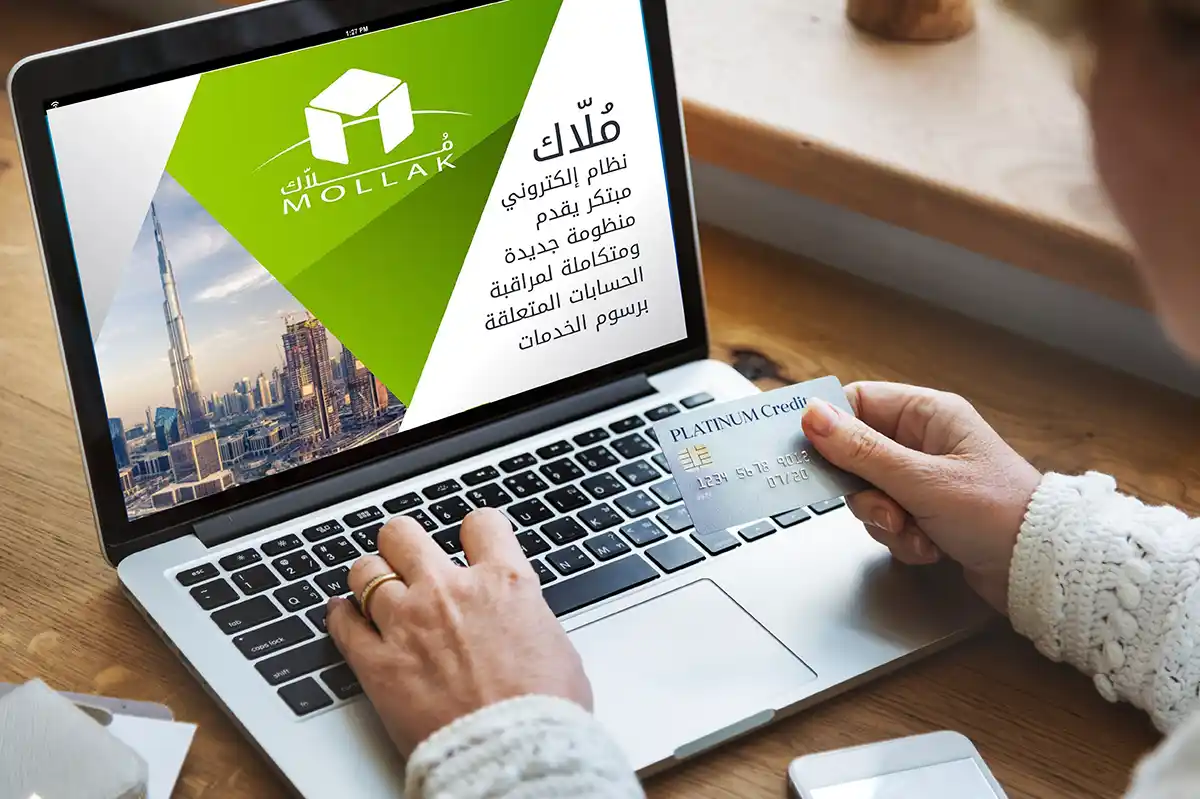
The property market in the United Arab Emirates has witnessed extraordinary growth over the past two decades. As the market matured, the need for stringent regulatory frameworks became paramount to protect the interests of local and international investors. Among the most critical implementations by the government is the Mollak System Dubai, a centralized digital platform that has completely revolutionized how building maintenance and community management fees are handled. For anyone navigating the vibrant property sector, understanding the inner workings of the Mollak System Dubai is not just recommended, it is an absolute necessity.
When an investor purchases an apartment, villa, or commercial space, they become part of a jointly owned property ecosystem. Maintaining the shared amenities, such as swimming pools, gymnasiums, elevators, security services, and landscaping, requires a continuous flow of funds. Historically, the management of these funds could sometimes lack transparency, leading to disputes between property owners and management companies. The introduction of the Mollak System Dubai effectively eliminated these friction points by mandating that all service charges be deposited into regulated escrow accounts rather than the private bank accounts of developers or property managers.
This comprehensive guide is designed to provide you with an indepth understanding of every facet of the Mollak System Dubai. We will explore the precise registration procedures, the rigorous auditing processes that ensure fair pricing, the diverse and secure payment methods available to property owners, and the legal ramifications of failing to meet financial obligations. By the end of this extensive resource, you will be fully equipped to manage your property investments with confidence and clarity.
The Evolution of Property Management and Transparency
To truly appreciate the value of the Mollak System Dubai, one must look back at the evolution of property management regulations in the region. In the early days of the freehold property boom, developers often retained perpetual control over the maintenance of the buildings they constructed. While many managed these responsibilities diligently, there were instances where service fees were inflated or funds were not allocated efficiently toward the upkeep of the premises. This lack of standardized oversight occasionally led to deteriorating building conditions, which in turn negatively impacted property valuations and rental yields.
Recognizing the need for a more equitable structure, the regulatory authorities introduced new jointly owned property laws. These laws shifted the responsibility of building maintenance from developers to licensed property management companies, overseen by owners committees. However, the financial aspect still required a foolproof mechanism to ensure that the money collected from owners was strictly utilized for its intended purpose. This is exactly where the Mollak System Dubai steps in.
Developed by the Real Estate Regulatory Agency, the Mollak System Dubai acts as an immutable electronic ledger and monitoring gateway. It forces property management companies to submit detailed budgets for the upcoming year, which must then be scrutinized by independent financial auditors before receiving final approval. This multilayered approach to financial governance ensures that investors are never overcharged and that every dirham spent is accounted for in a transparent manner.
Deep Dive: What Exactly Is This Regulatory Platform?
The Mollak System Dubai is fundamentally a financial governance system specifically tailored for jointly owned properties. It operates as an integrated webbased portal that connects multiple stakeholders in the real estate ecosystem. These stakeholders include property owners, developers, licensed community management companies, banking institutions operating as escrow agents, and specialized auditing firms.
At its core, the Mollak System Dubai tracks the entire lifecycle of a service charge invoice. It begins with the property management company drafting an estimated budget for the maintenance of a building. This budget is then uploaded to the platform, accompanied by historical data and cost projections. The system then routes this budget to an independent auditor who verifies the numbers against market rates and actual consumption metrics. Once the auditor signs off, the budget is forwarded to the regulatory agency for final authorization.
Only after this rigorous approval process does the Mollak System Dubai generate an official service charge invoice. This invoice is sent directly to the property owner via email and SMS. The most crucial element of this workflow is that the invoice contains a unique reference number and mandates that payment be made into a dedicated escrow account registered with a trusted bank. The management company cannot access these funds directly. Instead, they must submit payment requests for specific maintenance tasks, which are then disbursed from the escrow account, ensuring total financial integrity.
The Role of Escrow Accounts in Building Maintenance
One of the most revolutionary aspects of the Mollak System Dubai is its strict reliance on regulated escrow accounts. An escrow account is essentially a secure holding account managed by an independent third party, usually a major bank, on behalf of the property owners. Before the implementation of this system, owners often paid their maintenance fees directly to the management company, mixing operational funds with maintenance funds.
Under the rules governed by the Mollak System Dubai, every single building or community must have its own separate escrow account. This means that the funds collected for the maintenance of a specific residential tower can never be used to cover the expenses of another building, even if both are managed by the same company. This ringfencing of funds provides an incredible layer of security for property owners.
Furthermore, the Mollak System Dubai categorizes the collected funds into different types of accounts. Typically, there is a general fund used for day to day operations such as cleaning, security, and utility bills for common areas. In addition, there is a reserve fund, also known as a sinking fund. The reserve fund is specifically collected to cover major, long term capital expenditures, such as replacing the central air conditioning system, upgrading elevators, or renovating the building facade. The strict segregation and monitoring of these funds by the Mollak System Dubai ensure that properties remain in pristine condition for decades, thereby preserving their market value.
Detailed Breakdown: Service Charges, Calculation, and Auditing
Understanding how your financial obligations are calculated is a primary concern for any investor. The Mollak System Dubai brings complete clarity to this often confusing topic. Service charges are not arbitrarily decided by the management company. Instead, they are the result of a meticulous calculation based on the actual costs of running the building, divided by the total area of the property.
When a budget is submitted to the Mollak System Dubai, it is broken down into highly specific categories. These categories typically include electricity and water for common areas, chilling costs, security services, cleaning and housekeeping, landscaping, elevator maintenance, swimming pool upkeep, building insurance, and management fees. The property management company must provide quotes and contracts for each of these services.
The auditing phase within the Mollak System Dubai is exceptionally rigorous. RERA appointed financial auditors scrutinize the proposed budget line by line. They compare the proposed costs against historical spending and current market benchmarks. If a management company attempts to inflate the cost of security services, for example, the auditor will flag it and require justification or a revised quote. Only when the auditor is completely satisfied that the budget represents fair market value will they approve it.
Once approved by both the auditor and RERA, the total budget is divided by the total chargeable square footage of the building. This yields a rate per square foot. Your individual service charge is then calculated by multiplying this rate by the exact square footage of your specific unit as recorded in your title deed. The Mollak System Dubai ensures that this mathematical calculation is completely automated and transparent, eliminating any possibility of manual error or bias.
Navigating the Financial Compliance Landscape
Compliance with the Mollak System Dubai is non negotiable for both property management companies and property owners. For management companies, operating outside of this platform is a serious violation of local real estate laws and can result in severe fines or the revocation of their operating licenses. They are strictly prohibited from collecting service charges in cash or directing payments to unapproved bank accounts.
For property owners, compliance means paying the invoiced amounts in full and on time. The Mollak System Dubai issues clear deadlines for payments, which are usually broken down into quarterly or semi annual installments to ease the financial burden on investors. When an owner fails to meet these deadlines, a structured sequence of legal and administrative actions is triggered.
The beauty of the Mollak System Dubai lies in its ability to automate compliance tracking. The system knows exactly who has paid, who has partially paid, and who is in default. This allows the regulatory bodies to monitor the financial health of every single building in the city. If a building has a high default rate, it risks running out of funds for essential services. By enforcing compliance, the Mollak System Dubai protects the collective interests of all owners in the building, ensuring that a few non paying individuals do not compromise the living standards of the entire community.
Step by Step Guide: Registration and Account Setup
While the primary users of the administrative side of the Mollak System Dubai are property management companies, property owners must also understand how their properties are registered and how they can access their information. In most cases, the physical registration of the building on the platform is handled by the developer upon completion of the project, or by the appointed management company.
However, as an individual property owner, your details are integrated into the Mollak System Dubai automatically through your title deed. The system pulls data directly from the Land Department registry. Therefore, ensuring that your contact information is up to date in the official registry is the very first step. If your email address or phone number is outdated, you will not receive your service charge invoices.
To view your invoices and property details, owners utilize the official Dubai REST application, which is perfectly synchronized with the Mollak System Dubai. The registration process for an owner involves downloading the application from the relevant app store. Once downloaded, you choose the option to register as an owner. You will need your Emirates ID if you are a resident, or your passport and title deed details if you are an international investor.
After verifying your identity through a one time password sent to your registered mobile number, you will gain access to a unified dashboard. Here, the Mollak System Dubai populates all your owned properties. By clicking on a specific property, you can view the current service charge status, download past invoices, and see the exact breakdown of how the building budget is being spent. This level of direct access empowers owners and eliminates the need for endless email chains with property managers.
Secure and Convenient Payment Channels
The ultimate goal of the Mollak System Dubai is not just transparency, but also efficiency. To this end, the platform offers a multitude of highly secure payment options tailored to the convenience of local residents and international investors alike. When you receive your automated invoice from the Mollak System Dubai, it will contain a unique payment link and specific account details.
The most highly recommended method of payment is through the Dubai REST application itself. By navigating to the service charge section, you can select the outstanding invoice and proceed to pay using a credit or debit card. The application utilizes a highly secure payment gateway, ensuring that your financial data is protected. This method provides instant clearing, and your Mollak System Dubai dashboard will immediately reflect the payment, issuing an automated digital receipt.
For those who prefer traditional banking methods, the invoice generated by the Mollak System Dubai provides the exact IBAN of the regulated escrow account. You can execute a direct bank transfer from your local or international bank. When utilizing this method, it is absolutely critical to include the unique invoice reference number in the transfer notes. This allows the system to automatically reconcile the payment against your property file.
Another highly popular payment gateway integrated with the Mollak System Dubai is Noqodi. Noqodi is a specialized digital payment platform widely used for government and real estate transactions in the region. It allows users to top up a digital wallet and pay multiple invoices simultaneously, making it an excellent choice for bulk investors who own multiple units across different projects. Regardless of the method you choose, the Mollak System Dubai guarantees that your funds are deposited securely and legally.
Managing Multiple Properties and Portfolios
For high net worth individuals and institutional investors managing extensive property portfolios, the Mollak System Dubai is an invaluable tool. Before this system was implemented, an investor with ten different properties in ten different buildings would have to deal with multiple property management companies, track varying invoice dates, and verify numerous bank accounts. It was an administrative nightmare that often required dedicated staff to manage.
Today, the Mollak System Dubai consolidates all this information into a single, unified interface accessible via the application or the main web portal. An investor can log in and instantly see a color coded dashboard highlighting which properties have outstanding dues and which are fully paid. The system allows for bulk downloads of invoices and receipts, which drastically simplifies accounting and tax preparation, especially for international investors subject to reporting requirements in their home countries.
Furthermore, the Mollak System Dubai provides historical data on service charges. Investors can analyze the trajectory of maintenance costs for a specific building over several years. This data is incredibly useful when calculating the long term return on investment for a property. If a building shows a consistent pattern of well managed budgets and stable service charges, it becomes a significantly more attractive asset to hold or sell.
The Impact on Real Estate Valuations and Resale Markets
The introduction of the Mollak System Dubai has had a profound and positive impact on the overall real estate market, particularly in the secondary or resale sector. Transparency breeds confidence, and confidence drives investment. When a prospective buyer is evaluating a property, one of their primary concerns is the hidden costs associated with maintenance.
Because the Mollak System Dubai mandates that all building budgets are audited and approved, real estate agents and sellers can provide buyers with official, verifiable documentation regarding the exact service charges. There is no longer any ambiguity. A buyer can factor these exact costs into their mortgage calculations and yield projections, leading to faster decision making and smoother transactions.
Moreover, buildings that are well managed and financially healthy, a status directly facilitated by the Mollak System Dubai, naturally command higher market valuations. A building with a robust reserve fund and a track record of meticulous maintenance will attract premium buyers and tenants. Conversely, a building struggling with compliance or facing financial deficits due to unpaid charges will see its value stagnate. The system thus incentivizes property owners to stay current with their payments to protect their capital appreciation.
Future Developments in Property Technology
The Mollak System Dubai is not a static platform. It is continuously evolving, incorporating the latest advancements in property technology to serve the market better. Regulatory authorities are constantly exploring ways to integrate artificial intelligence and predictive analytics into the system. In the future, we may see the platform analyzing consumption data from smart meters to automatically flag inefficiencies in building management, such as excessive water usage or abnormal electricity consumption in common areas.
There are also ongoing efforts to further streamline the communication channels within the Mollak System Dubai. Imagine a scenario where property owners can digitally vote on major community upgrades or select preferred contractors directly through the portal. By fostering a more interactive environment, the system will continue to democratize community management, giving owners a stronger voice in how their investments are maintained.
As the region continues to attract global talent and investment, the reliance on robust digital infrastructure like the Mollak System Dubai will only increase. It stands as a testament to the government commitment to creating a world class, friction free real estate environment that prioritizes the rights and security of the investor above all else.
Ensuring Smooth Transactions: The Importance of No Objection Certificates
When navigating the resale market, the Mollak System Dubai plays a pivotal role in the transfer of ownership. To legally sell a property and transfer the title deed to a new buyer, the seller must obtain a No Objection Certificate from the property management company. This certificate essentially proves that all outstanding financial obligations related to the property have been settled in full.
The Mollak System Dubai has entirely automated and digitized this process. In the past, obtaining a No Objection Certificate could take weeks, involving physical visits to management offices and manual reconciliation of accounts. Now, when a seller initiates a transfer request, the system instantly checks the property financial status. If the service charges are fully paid according to the records in the Mollak System Dubai, the certificate can often be generated digitally within hours.
However, if there are outstanding balances, the system will immediately block the issuance of the certificate. The seller must use the Mollak System Dubai to clear the pending invoices before the sale can proceed. This mechanism completely protects the incoming buyer from inheriting any hidden debts or unpaid maintenance fees, ensuring a clean and secure transfer of the asset.
Understanding the Legal Recourse for Unpaid Dues
While the system is designed to be user friendly, it operates within a strict legal framework. The authorities take the non payment of service charges very seriously, as it directly impacts the welfare of the entire building community. The platform provides a very clear and regulated escalation process for handling defaults.
If a property owner misses a payment deadline, the platform automatically generates and sends formal reminders via email and SMS. If the dues remain unpaid after a specified grace period, the property management company is legally authorized to escalate the matter. The first formal step usually involves sending a legal notice to the owner, demanding payment within thirty days.
If the owner still fails to comply, the management company can file a formal case with the Rental Dispute Center. The evidence required for this case is effortlessly extracted from the platform, which provides an undeniable digital paper trail of the approved budget, the issued invoices, and the lack of payment. The courts heavily rely on the data generated by the platform. Rulings can result in severe consequences for the defaulting owner, including the freezing of their bank accounts, travel bans, or in extreme cases, the forced public auction of the property to recover the owed funds. It is therefore incredibly important for investors to prioritize these payments.
Why Professional Guidance Matters
Navigating the regulatory landscape, even with intuitive platforms like the platform, can be complex for those unfamiliar with local laws and procedures. This is particularly true for overseas investors who may not be completely conversant with the nuances of the regional property market. This is where partnering with a professional and experienced real estate brokerage becomes invaluable.
A reputable agency does more than just facilitate buying and selling. They provide comprehensive advisory services, ensuring that their clients are fully compliant with all government regulations, including the mandates of the platform. They can assist in setting up the necessary digital accounts, interpreting complex building budgets, and advising on the financial health of a prospective investment based on its service charge history.
By aligning yourself with experts who understand the intricate details of the platform, you mitigate risks and maximize the potential of your real estate portfolio. You transition from being a passive owner to an informed investor, capable of making strategic decisions based on transparent, verified data.
Maximizing Your Investment Returns Through Proactive Management
While the regulatory frameworks provide a solid foundation for security, maximizing the returns on your real estate investments requires a proactive approach to property management. The data provided by the platform is an incredible resource for investors who wish to analyze the operational efficiency of their buildings. By reviewing historical service charge trends, investors can identify communities that are exceptionally well managed, leading to lower overheads and higher net rental yields.
In a competitive leasing market, tenants are increasingly aware of building maintenance standards. A well maintained building, funded transparently through the platform, naturally attracts high quality tenants who are willing to pay premium rents. They value the reliability of elevators, the cleanliness of common areas, and the security of the premises. Therefore, viewing your service charge contributions not as an expense, but as a critical investment in tenant retention, is a mindset adopted by the most successful landlords.
The Importance of Community Engagement
Beyond the financial metrics, the implementation of the platform encourages a stronger sense of community engagement. When property owners are confident that their funds are being utilized correctly, they are more likely to participate constructively in community decisions. Although management companies handle the day to day operations, the feedback from active owners helps shape the long term strategy for building upgrades and improvements.
Engaged owners can advocate for sustainability initiatives, such as upgrading to energy efficient lighting or implementing advanced water recycling systems. These improvements, initially funded through the reserve accounts managed within the platform, eventually lead to significant reductions in utility costs. This collaborative ecosystem, built on the trust established by transparent financial practices, ultimately drives the evolution of residential and commercial spaces across the region.
Understanding the Global Context
When evaluating the effectiveness of the platform, it is helpful to compare it against global real estate practices. In many developed markets around the world, the management of shared properties remains a highly contentious issue, frequently plagued by a lack of transparency and regulatory oversight. By instituting a centralized, government backed monitoring platform, the local authorities have positioned the regional market as one of the most secure and forward thinking in the world.
This global leadership in property technology and regulation is a key driver of foreign direct investment. International buyers, who may be hesitant to invest in emerging markets due to perceived risks, find immense reassurance in the robust legal architecture surrounding the platform. It signals a mature market that respects property rights and prioritizes the long term sustainability of real estate assets, making it a highly attractive destination for global capital.
A Seamless Digital Experience for Investors
The ultimate triumph of the platform lies in its ability to transform a complex regulatory requirement into a seamless digital experience. For decades, real estate administration was synonymous with endless paperwork, bureaucratic delays, and opaque financial reporting. The introduction of this system effectively eradicated these hurdles, replacing them with a streamlined, accessible, and intuitive interface that caters directly to the modern investor.
Whether you are checking your balance on a smartphone while traveling abroad or downloading annual budget reports from your desktop office, the platform ensures that you are always connected to the financial heartbeat of your property. This continuous connectivity empowers you to make rapid, informed decisions regarding your portfolio, eliminating the guesswork that often plagues property management. As the platform continues to mature, we can anticipate even deeper integrations with smart city initiatives, further cementing its role as the undisputed backbone of regional property governance. The true value of your investment is preserved not just by the bricks and mortar, but by the digital oversight that the platform provides relentlessly every single day.
FAQ Section
What is the Mollak System in Dubai, and why is it mandatory for property owners?
The platform is a centralized digital governance platform created by the Real Estate Regulatory Agency to monitor and regulate service charges in jointly owned properties. It is absolutely mandatory because it ensures that property management companies cannot overcharge owners, and it guarantees that all collected maintenance funds are deposited into secure, regulated escrow accounts rather than private company accounts.
How do I register my property or open an account on the Mollak portal?
As a property owner, your details are automatically synced with the platform through your official title deed registered with the Land Department. You do not need to create a separate account from scratch. Instead, you access your profile by downloading the Dubai REST application, verifying your identity with your Emirates ID or passport, and linking it to your registered mobile number to view your portfolio and invoices.
How are Mollak service charges calculated, audited, and approved by RERA?
Service charges in the platform are calculated by compiling all anticipated building maintenance costs and dividing them by the total chargeable area of the building. Before this budget becomes active, an independent financial auditor strictly reviews every single expense to ensure fair market pricing. Only after the auditor and the regulatory agency approve the budget are the final charges levied on the owners.
What is the stepbystep process to pay Mollak service charges via the Dubai REST App or direct bank transfer?
To pay via the app, log into Dubai REST, navigate to the service charges section, select the outstanding invoice generated by the platform, and proceed to payment using a secure credit or debit card gateway. For a direct bank transfer, locate the specific IBAN and unique reference number on your invoice, and execute the transfer from your bank, ensuring the reference number is included in the transfer notes for automated reconciliation.
What happens if a property owner defaults or delays paying Mollak service charges in Dubai?
Defaulting on payments within the platform triggers automatic digital reminders. If the debt remains unsettled, the management company can issue a formal legal notice. Continued failure to pay allows the management company to escalate the issue to the Rental Dispute Center, which can result in severe legal actions, including asset freezing, travel restrictions, and potentially the forced sale of the property to recover the outstanding maintenance funds.
How can buyers verify outstanding Mollak service fees before purchasing a resale property?
Before finalizing a purchase, buyers must request a No Objection Certificate from the seller. The platform automatically blocks the issuance of this certificate if there are any unpaid service charges associated with the property. Furthermore, buyers can ask the seller to provide an official statement of account downloaded directly from the platform, verifying that the property is completely free of any hidden financial liabilities.
Next Steps
Understanding and navigating the intricacies of the platform is a vital component of successful property ownership in this dynamic market. The system brings unparalleled transparency, financial security, and peace of mind to investors by ensuring that every contribution towards building maintenance is strictly regulated and properly utilized. By adhering to the guidelines and utilizing the secure payment channels provided, you protect the long term value and appeal of your real estate assets.
If you are looking to expand your portfolio, buy your dream home, or simply need expert guidance on navigating property regulations, look no further. At Gi Properties, our team of dedicated professionals is completely equipped to assist you with every aspect of your real estate journey. We understand the platform inside and out, ensuring that your transactions are smooth, compliant, and highly profitable. Contact Gi Properties today, and let us help you secure your financial future in one of the most vibrant real estate markets in the world.