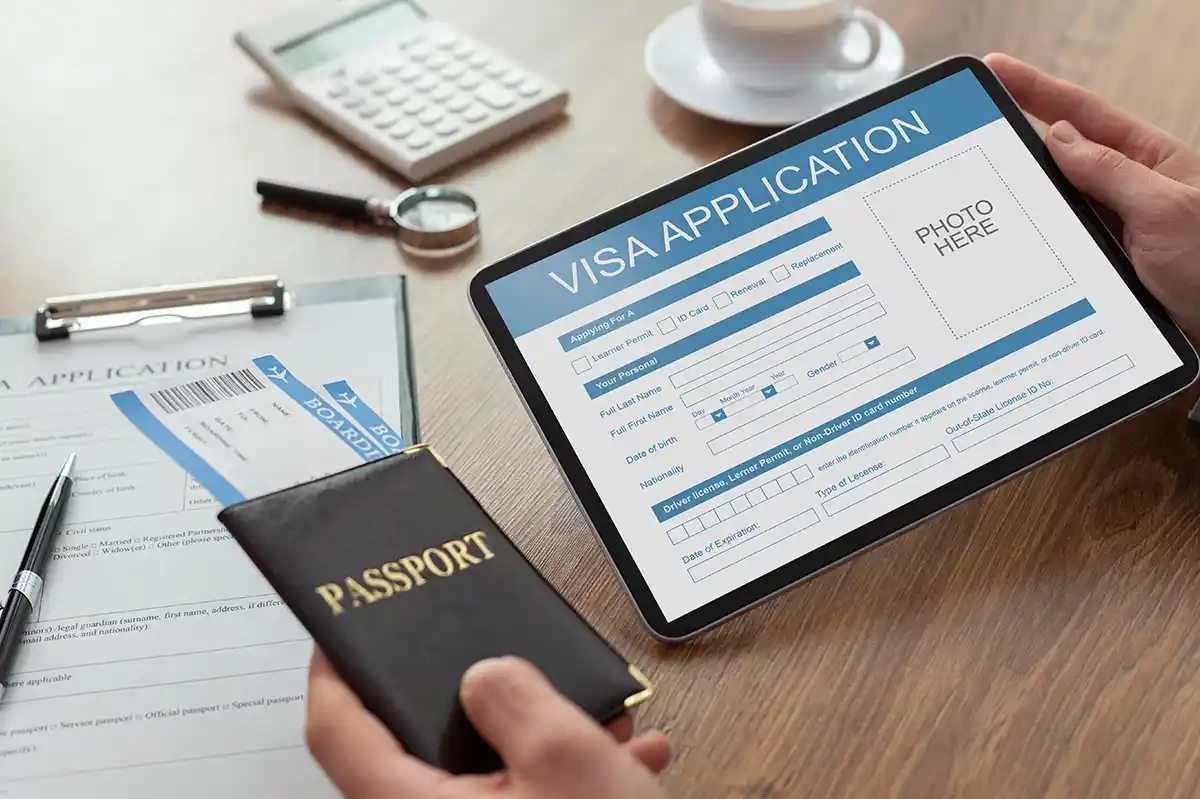
A Paradigm Shift in Global Real Estate Investment
Dubai has consistently proven itself to be a dynamic, forward-thinking metropolis, constantly adapting its regulatory frameworks to attract global talent and capital. The property market in this global hub has witnessed monumental growth, driven by progressive government policies, world-class infrastructure, and an unmatched quality of life. In a groundbreaking move that redefines property investment accessibility, the requirements for securing a Dubai residence visa through real estate have undergone a massive transformation. The updated rules for the 2-year investor visa in Dubai have effectively removed the strict minimum financial threshold, opening the doors to a broader spectrum of international buyers and seasoned investors.
For years, the pathway to residency through property investment was tied to specific financial benchmarks. Previously, investors needed to purchase a property worth at least AED 750,000 to qualify for a two-year visa. While this was already a highly competitive threshold compared to other global markets, the recent updates signify a paradigm shift. The removal of the strict minimum investment amount for the 2-year investor visa in Dubai is a clear indicator of the visionary approach taken by the UAE leadership. This change is not just about relaxing rules; it is a strategic maneuver designed to stimulate sustainable market growth, encourage long-term commitment from expatriates, and solidify the position of Dubai as the ultimate destination for property investment.
As a leading authority in the market, Gi Properties is committed to guiding you through these new regulatory landscapes. Understanding the nuances of the Dubai investor visa is crucial for maximizing your portfolio and securing your future in the UAE.
Decoding the "No Minimum Investment" Update
To fully grasp the magnitude of this update, we must look at how the Dubai residence visa system has evolved. Historically, global golden visa and investor visa programs have relied on rigid capital minimums. By removing the AED 750,000 floor, the focus shifts from the absolute purchase price to the act of investment itself.
It is important to clarify what "no minimum investment" means in practical terms. It does not imply that any nominal property purchase grants residency. Instead, the focus has pivoted toward the viability, completion status, and official registration of the property. The property must still be a legitimate, habitable residential unit. Investors must possess the title deed issued by the Dubai Land Department. The core philosophy here is to reward genuine investment in the residential sector, regardless of whether an investor finds a high-yield studio apartment in a developing community or a luxury villa in an established neighborhood.
This flexibility is incredibly advantageous for portfolio diversification. An investor in Dubai can now strategically acquire smaller, high-yield properties that might have previously fallen just short of the visa threshold. This policy update injects tremendous liquidity into the secondary market and affordable housing sectors, ensuring that growth is evenly distributed across all segments of the real estate landscape.
The Strategic Vision: Aligning with Broad UAE Goals
This update to the investor visa in Dubai does not exist in a vacuum. It is part of a broader, cohesive strategy across the United Arab Emirates to foster a highly competitive, transparent, and attractive real estate environment. Regulatory bodies across the nation are continuously working to enhance the investor experience. For instance, looking at the wider context of the UAE, entities like the Abu Dhabi Real Estate Centre (ADREC) have been instrumental in launching initiatives that increase market transparency, streamline property registrations, and protect investor rights.
While ADREC governs the capital, the synergy in vision across the emirates is undeniable. Both Dubai and Abu Dhabi are aggressively working to lower barriers to entry while maintaining high standards of regulatory compliance. The removal of the minimum investment requirement in Dubai mirrors this national ethos of agility and investor-centric policymaking. When you invest in Dubai, you are benefiting from a national ecosystem that prioritizes economic diversification, technological integration in property management, and absolute legal clarity for foreign buyers.
Why the 2-Year Investor Visa in Dubai Matters Now
The timing of this update is exceptionally strategic. Global economic landscapes are currently characterized by inflation, fluctuating interest rates, and uncertain property markets in traditional investment havens. In stark contrast, Dubai offers a safe harbor.
Securing a Dubai residence visa offers profound lifestyle and financial benefits. It grants the holder the legal right to live in the emirate, open local bank accounts, apply for a driving license, and seamlessly integrate into the economic fabric of the city. Furthermore, being a resident allows investors to easily manage their property portfolios on the ground. For property consultants and brokerages like Gi Properties, this means we can now assist a much wider demographic of clients. Young professionals looking to purchase their first international asset, retirees seeking a tax-free haven, and seasoned portfolio managers wanting to acquire multiple smaller units can all now leverage their purchases for residency.
The updated Dubai investor visa rules essentially democratize the real estate market. It empowers buyers to make purchase decisions based strictly on return on investment, location potential, and personal preference, rather than being forced to artificially inflate their budget simply to meet a visa requirement.
Redefining Eligibility and Ownership Frameworks
The structural modification of this regulatory framework represents a major shift in how the local authorities evaluate residency applications. Previously, securing an investor visa in Dubai was contingent upon crossing a fixed capital threshold of AED 750,000. Under the new guidelines, single owners of completed residential real estate face no such financial barrier. The evaluation process now concentrates entirely on the official registration and authenticity of the property asset.
This updated framework means that if you choose to acquire a residential unit in your name alone, your purchase qualifies you for residency regardless of the final contract price. This is an incredible step forward for the Dubai investor visa system. It validates investments made in more affordable communities and smaller asset classes, such as compact studios or one-bedroom apartments in emerging suburban zones.
However, the authorities maintain a distinct set of parameters for co-ownership to protect the integrity of the market. If a property is purchased jointly, the regulations dictate that each individual partner must hold a minimum equity stake worth at least AED 400,000. For instance, if two business partners or family members purchase a piece of real estate together, the overall value of that specific property must be at least AED 800,000 to grant both buyers a 2-year investor visa in Dubai. This protective measure prevents the arbitrary fragmentation of property titles solely for immigration purposes, ensuring the sector remains authentic and properly balanced.
Handling Mortgages and Property Status Requirements
A frequent query presented to the advisory team at Gi Properties involves how financing arrangements impact eligibility. The revised regulations offer a highly practical path forward for buyers utilizing bank loans or formal developer payment structures. Outright cash purchases are by no means the only option available for securing residency.
For individuals with an active bank mortgage on their property, applying for the Dubai investor visa remains fully accessible. The essential step here is procuring an official No Objection Certificate from your lending institution, verifying your financial standing and the bank's approval. If your payment plan is handled directly through the real estate developer, you will need a validated statement showing your paid equity and the general health of your account.
Property type and readiness also dictate the success of your application. The real estate in question must be a completed, habitable residential property. Off-plan units that are currently under development are excluded from this pathway until construction is concluded and the official Title Deed is formally issued by the Dubai Land Department. Furthermore, the property must be located within a designated freehold zone where foreign nationals possess full, unrestricted ownership rights.
Comparing the 2-Year Pathway to the 10-Year Golden Visa
Given the various residency tiers available in the UAE, distinguishing between the different options is vital to ensuring your purchase aligns with your long-term wealth strategy. The complete removal of the minimum purchase price applies solely to the 2-year investor visa in Dubai and should not be confused with the long-term Golden Visa framework.
The highly sought-after Golden Visa provides a 10-year residency period but maintains a strict minimum investment requirement of AED 2 million. This higher tier comes with distinct advantages, such as the freedom to remain outside the UAE for extended periods without risking visa cancellation, along with broader options for sponsoring domestic staff and dependents.
The standard two-year option serves as a flexible, highly accessible entry point. It provides immediate access to a Dubai residence visa, allowing you to open local corporate or personal bank accounts, secure a local driving license, and sponsor your immediate family, all without locking up AED 2 million in initial capital. As your local portfolio expands under the guidance of Gi Properties, you can eventually transition to the 10-year tier by combining the values of multiple ready properties once your total investment naturally reaches the AED 2 million mark.
Economic Ripples and Sector Growth
This regulatory evolution is creating incredibly positive momentum throughout the secondary property market. By eliminating the previous capital baseline, the city is opening its doors to an entirely new class of international buyers. The market is seeing a notable influx of interest from young working professionals, remote entrepreneurs, and middle-income families who want to acquire an income-producing asset while securing a long-term residency solution.
This fresh demand provides crucial support to the mid-market housing segment. Residential units priced under the previous AED 750,000 threshold, which once lacked the added incentive of a residency pathway, are experiencing a major surge in transactional volume. This injection of liquidity gives sellers in these areas excellent exit opportunities and gives master developers the confidence to launch further affordable housing communities. The entire ecosystem becomes far more resilient when market growth is balanced across luxury properties and affordable options alike.
This regulatory agility mirrors a broader, nationwide effort to establish a highly competitive and secure real estate market. Dubai is actively lowering barriers to entry while keeping investor protections absolute. This synchronized approach across the emirates ensures that the UAE remains an unmatched destination for global capital.
Step-by-Step Application Process
Securing a Dubai residence visa is a highly automated, efficient process when your documentation is prepared correctly. The entire journey typically spans two to three weeks from your initial document submission to the digital issuance of your Emirates ID.
The process kicks off with a formal eligibility review through the Dubai Land Department portals. Once your property deed is verified, you will undergo standard medical fitness screenings and biometric enrollment at an authorized center. The General Directorate of Residency and Foreigners Affairs manages the final approval and visa issuance. Working alongside a dedicated real estate partner ensures that your Title Deed, passport copies, health insurance certificates, and necessary bank letters are perfectly aligned to avoid processing delays.
Rethinking Capital Allocation and Rental Returns
Dropping the property price floor fundamentally changes how you map out your real estate finances. In the past, foreign buyers routinely box-checked properties just to cross a minimum threshold, frequently sacrificing superior rental yields or better locations purely to satisfy immigration criteria. Now that the artificial baseline is gone, you can evaluate the market through a numbers-driven lens, hunting for genuine cash flow instead of simple visa compliance.
This update makes it incredibly easy to construct a diversified, high-performing asset portfolio. Instead of sinking a massive amount of upfront cash into a single expensive asset just to secure your Dubai residence visa, you can distribute that exact same capital across multiple entry-level neighborhoods. For example, you can buy a high-performing studio apartment in high-demand hubs like Jumeirah Village Circle or Dubai Silicon Oasis to activate your residency on day one, then use your remaining liquid capital to capture another income-generating asset elsewhere. Spreading your chips across different communities protects your money from localized vacancy spikes and maximizes your overall cash-on-cash returns.
At the same time, affordable neighborhoods are experiencing major structural upgrades and a massive wave of new buyer interest. Developing suburban communities with modern building designs are now prime targets for international capital. Because these units inherently stay occupied due to practical tenant pricing, property owners can pocket reliable rental checks while holding a valid investor visa in Dubai. Merging high-yield properties with independent residency completely changes the math for anyone entering the market.
Keeping Your Asset Protected and Your Legal Status Intact
Sustaining your residency under this updated framework comes down to understanding the operational realities and ongoing compliance timelines set by the land authorities. Your 2-year investor visa in Dubai lives and dies with the title deed. The moment you decide to sell, trade, or transfer the ownership of the property to someone else, the legal residency tie connected to that asset snaps immediately.
The renewal process occurs every 24 months and is simple to manage, provided the property stays registered under your name. When your expiration date approaches, you must pass a new medical screening, update your local health insurance policy, and pull a fresh title verification through the land department portals. Staying on top of these administrative dates ensures that your active Dubai residence visa remains fully valid without any processing interruptions.
You also need to budget accurately for the government fees tied to each residency cycle. The initial onboarding setup costs roughly AED 10,545, which covers your core document registration, medical clearance tests, and physical Emirates ID card. You will also need a standard AED 220 background verification voucher from the local police. When you reach the renewal mark at the end of the two years, the official fee drops to approximately AED 8,215, as long as your property status has not changed.
This smart push toward transparency and ease of access is a country-wide trend. Up in the capital, the Abu Dhabi Real Estate Centre is busy implementing similar digitized, frictionless frameworks to give international property owners absolute legal certainty. Whether you buy in Dubai or look at wider UAE trends, the overarching goal is identical: creating a highly predictable, secure, and supportive environment for foreign capital.
Frequently Asked Questions
What is the bottom-line property price needed for a 2-year visa?
Following the latest updates from the land authorities, there is no longer a minimum purchase price for individual sole owners applying for the biennial residency pathway. If you buy a finished, habitable freehold residential property in your name alone, you qualify to apply for the Dubai investor visa regardless of what you paid for the asset. The approval relies entirely on the legal registration and physical readiness of the unit rather than an arbitrary capital floor.
Can two or more people split a property to get the visa?
Yes, you can secure residency through a shared title, but specific equity minimums apply to joint ownership. For a co-owned property to qualify for the 2-year investor visa in Dubai, each individual partner's share must be worth at least AED 400,000. This means if two business partners buy an asset together, the total registered value on the title deed must be at least AED 800,000 for both to get separate visas. Legally married couples are an exception to this rule and are permitted to combine their shares to qualify using a single property.
What paperwork do I need to prepare before applying?
To ensure a clean, fast review through the official trustee centers, you need to compile a specific set of clear documents:
- The original Title Deed issued directly by the Dubai Land Department.
- A clear copy of your passport showing at least six months of future validity.
- A high-resolution digital personal photograph matching identity specs.
- A valid UAE medical insurance policy from a licensed local provider.
- An official Police Clearance Certificate obtained from the Dubai Police.
- A certified medical fitness test result from an approved local health center.
- A formal No Objection Certificate from your bank if the unit has an active mortgage, or an official statement of account from your developer if you are on an active installment structure.
Am I allowed to sponsor my family members under this track?
Absolutely. Getting your residency via a qualifying real estate purchase gives you full authority to sponsor your immediate dependents. Once your personal Dubai investor visa is stamped and your physical Emirates ID is in your hand, you can initiate the sponsorship paperwork for your spouse and your children. You will just need to present officially attested marriage and birth certificates, arrange their separate medical checks, and clear the standard government filing fees to bring your household under your residency umbrella.
Direct Takeaways for Your Property Plan
The decision to detach the two-year residency pathway from old financial baselines marks a highly mature step for the property market. By centering eligibility around true asset ownership instead of a rigid capital restriction, the government has opened up access to one of the world's most stable and tax-efficient economic hubs.
For you as a buyer, this change clears away unnecessary hurdles and rewards creative asset management. Whether you are a first-time foreign buyer looking for a reliable second home, a remote professional setting up a tax-free home base, or an experienced regular growing a collection of high-yield units, your path to a long-term Dubai residence visa is completely clear. You can now base your purchase choices entirely on actual market yields and community development plans rather than artificial immigration rules.
Because the property market is adapting quickly to these changes, handling the specific paperwork, hunting down the best freehold communities, and managing the legal filings requires experienced eyes on the ground. At Gi Properties, our advisory team is built to turn these new updates into a distinct financial advantage for your portfolio. Contact our team today to look over eligible properties, calculate real-time rental returns, and secure your place in this fast-moving market.