The global real estate market is filled with opportunities, but few locations capture the imagination and financial ambition of investors quite like the United Arab Emirates. Every year, thousands of international investors look to the Middle East for high returns, tax advantages, and a luxurious lifestyle. If you want to buy property in Dubai, you are joining a growing wave of savvy individuals who recognize the unique potential of this dynamic city. This comprehensive guide is designed specifically for those looking to buy property in Dubai from Ireland, offering a clear pathway through the legalities, financial considerations, and practical steps required to secure your investment.
The Allure of the United Arab Emirates Real Estate Market
When you decide to buy property in Dubai, you are investing in a vision of the future. The city has transformed itself from a regional trading hub into a global metropolis. The government has consistently prioritized infrastructure, safety, and business-friendly policies. For an Irish investor, the contrast is often striking. Instead of navigating complex local property taxes or dealing with seasonal rental dips, investors in the UAE enjoy year-round demand and incredibly favorable tax conditions.
Many people ask themselves, should i buy property in Dubai? The answer largely depends on your long-term goals. If you are seeking a stable currency pegged to the US Dollar, zero annual property taxes, and strong rental yields that often outperform traditional European markets, the decision becomes much easier. The infrastructure is world-class, the communities are master-planned, and the regulatory environment is designed to protect both buyers and tenants. When you buy property in Dubai, you are securing an asset in a city that constantly reinvents itself to attract global wealth.
Understanding the Legal Landscape
A common initial concern is the legality of foreign ownership. Many potential investors wonder, can foreigners buy property in Dubai? The answer is a resounding yes. Since the early 2000s, the government has opened specific areas of the city to foreign investment. These designated zones allow expatriates and non-residents to purchase real estate with full ownership rights.
This brings us to another crucial concept. Investors from Ireland and the United Kingdom will want to buy freehold property in Dubai. Freehold ownership means you own the property and the land it stands on outright, in perpetuity. You can sell it, lease it, or pass it on to your heirs. This is distinctly different from leasehold ownership, which only grants the right to use the property for a set number of years. When you buy property in Dubai in a designated freehold area, your ownership is absolute and protected by the Dubai Land Department.
So, exactly who can buy property in Dubai? Anyone of any nationality, whether they are a resident of the UAE or living abroad, can purchase real estate in the designated freehold areas. You do not need a special permit to buy, nor do you need to be living in the country at the time of purchase. This open-door policy is a cornerstone of the economic strategy, making it incredibly straightforward for international buyers.
Visa and Residency Advantages
One of the most compelling reasons to buy property in Dubai is the associated lifestyle and residency benefits. Many investors specifically aim to buy property in Dubai and get residency. The UAE offers several residency visa options tied to real estate investment, effectively allowing you to live, work, and sponsor your family in the country.
As of the latest regulations in 2026, the famous Golden Visa program remains highly attractive. If you buy property in Dubai worth at least two million UAE Dirhams, you become eligible for a ten-year renewable Golden Visa. This applies whether the property is fully paid for or mortgaged, provided the total valuation meets the threshold. The flexibility of this visa is unmatched. You are not required to visit the UAE every six months to keep the visa active, and you can sponsor your spouse and children. If your goal is to buy property in Dubai and get residency, this pathway offers incredible security and freedom.
Additionally, in 2026, the government introduced major updates for entry-level investors. There is no longer a fixed minimum property value for sole owners applying for a two-year investor visa, provided all eligibility criteria through the Dubai Land Department are met. For joint ownership, the minimum is now just 400,000 Dirhams per investor. Ultimately, when you buy property in Dubai, you are buying a gateway to a premier international lifestyle.
The European Perspective: Buying from Ireland and the UK
For buyers based in Europe, the process is streamlined but requires some specific preparation. If you want to buy property in Dubai from Ireland, you will need to understand the logistics of international money transfers, currency exchange rates, and remote legal representation. Similarly, many investors looking to buy property in Dubai from Uk face the exact same considerations.
A frequent question is, can i buy a property in Dubai from Uk or Ireland without ever visiting? Yes, you absolutely can. Through a legally binding Power of Attorney, you can authorize a trusted legal representative or real estate agency to handle the entire transaction on your behalf. However, while it is possible to buy property in Dubai entirely remotely, visiting the city to physically inspect the communities, view show apartments, and get a feel for the local environment is always recommended if your schedule permits.
Knowing exactly how to buy property in Dubai from Uk or Ireland involves selecting the right partners. You need a reputable real estate broker registered with the Real Estate Regulatory Agency, a reliable currency exchange specialist to help you secure the best Euro or Sterling to Dirham rates, and a conveyancing lawyer to ensure all contracts protect your interests.
Step-by-Step Guide: The Purchasing Process
If you are ready to move forward, you need to know the exact mechanics of the transaction. Here is a detailed breakdown of how to buy property in Dubai.
- Budget and Strategy: Before you buy property in Dubai, define your objectives. Are you looking for a holiday home, a high-yield rental apartment, or a long-term capital appreciation asset? Determine your maximum budget and factor in the additional purchase costs. These typically include a 4 percent registration fee payable to the Dubai Land Department, a 2 percent agency commission, and minor administrative fees for title deed issuance.
- Property Selection: Work with your broker to view properties either in person or via video tour. The market is broadly divided into off-plan properties (under construction) and ready properties (completed and available for immediate occupancy). When you buy property in Dubai off-plan, you often benefit from flexible payment plans directly from the developer.
- Making an Offer and Signing the Contract: Once you select a property, you will make a formal offer. If accepted, both parties sign a Memorandum of Understanding, also known as Form F. At this stage, the buyer typically provides a 10 percent security deposit. If you buy property in Dubai from the secondary market, this deposit is held in trust until the final transfer.
- Securing Finances: If you require financing, this is the time to finalize your mortgage. Which brings up another common query: can i buy a property in Dubai from Uk and Ireland using a mortgage? Yes, non-residents are perfectly eligible for mortgages in the UAE. Local banks typically finance up to 50 or 60 percent of the property value for foreign non-resident buyers. You will need to provide bank statements, proof of income, and credit reports from your home country.
- The No Objection Certificate: The seller must apply for a No Objection Certificate from the property developer. This document confirms that all service charges have been paid and that the developer has no objection to the sale. You cannot buy property in Dubai and complete the transfer without this crucial document.
- Final Transfer: The final step of how to buy property in Dubai involves meeting at a standard trustee office. If you are completing the transaction remotely, your Power of Attorney will attend. The remaining funds are transferred, the government fees are paid, and the Dubai Land Department issues a new Title Deed in your name.
Deep Dive into Popular Investment Zones
When you buy property in Dubai, location is everything. The city is vast and features numerous master-planned communities, each catering to a different lifestyle and budget.
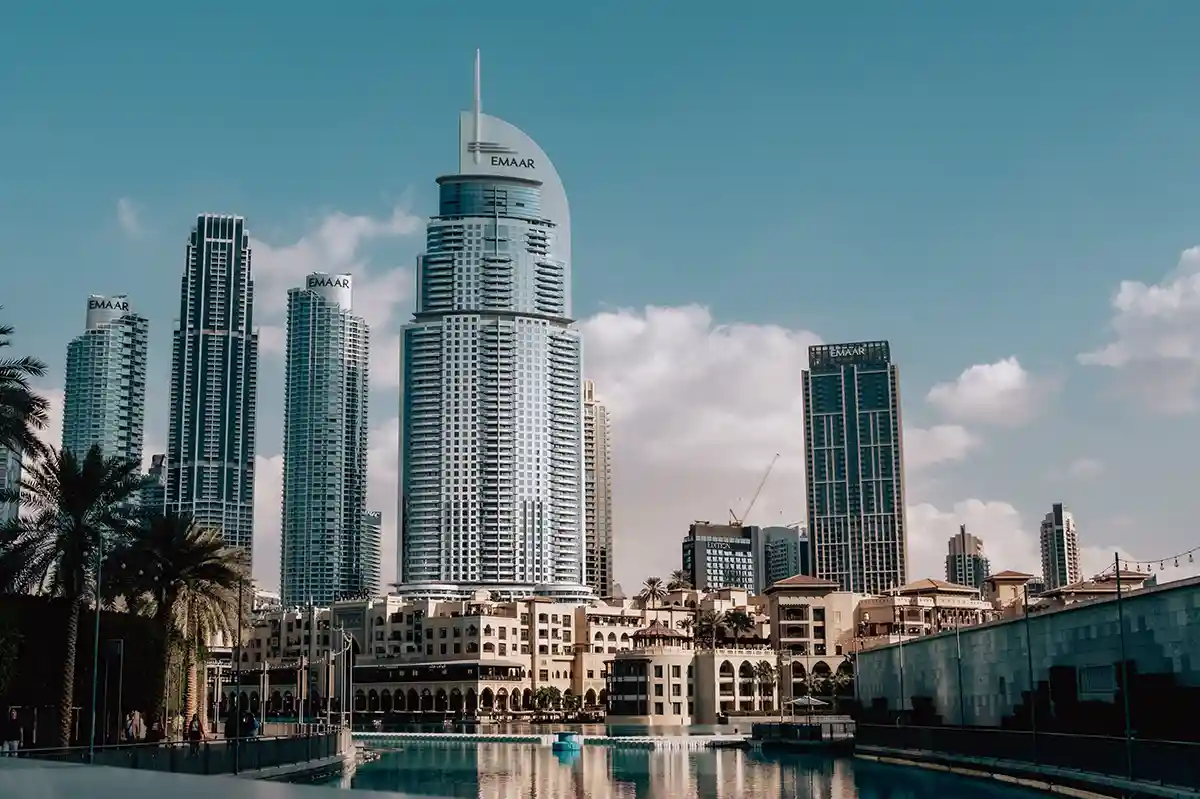
Downtown Dubai remains a perennial favorite. Home to iconic landmarks, it offers high-end luxury apartments with stunning views. Investors who buy property in Dubai in this area can expect strong short-term rental demand due to the constant influx of tourists.
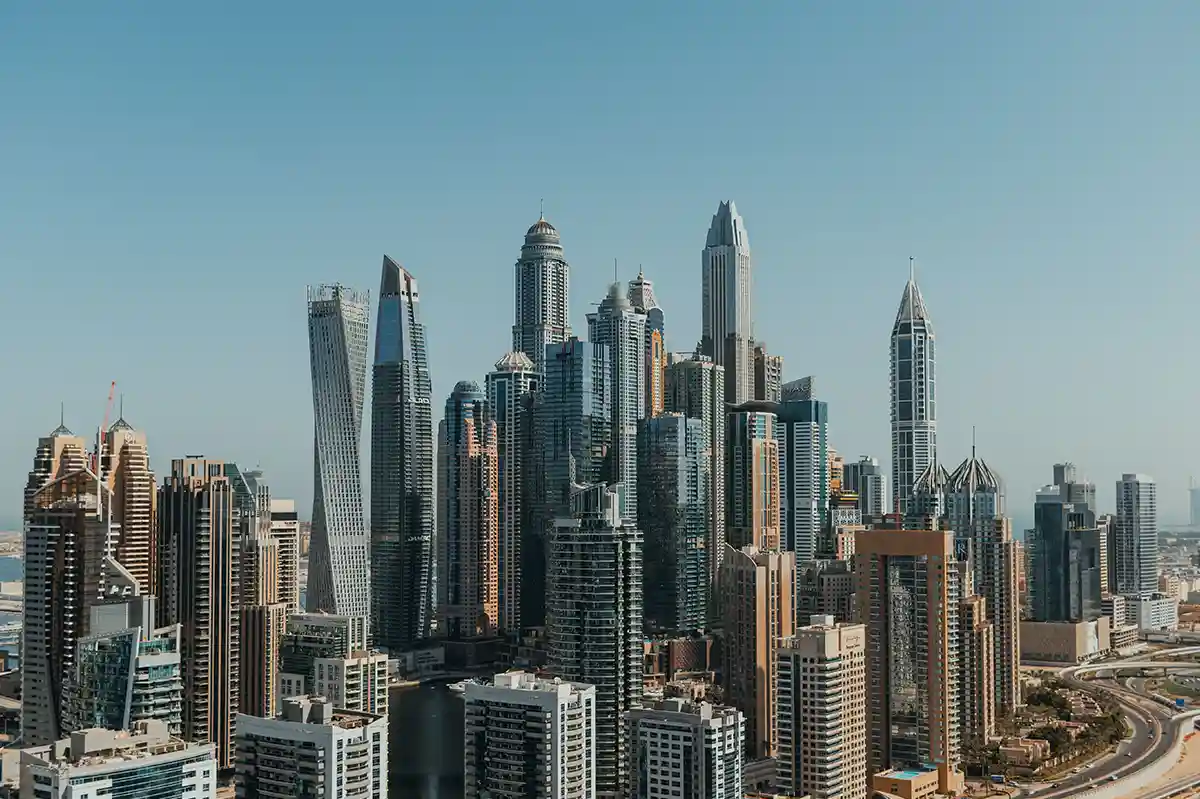
Dubai Marina is another hotspot, particularly popular with European expatriates. If you plan to buy property in Dubai from Ireland for personal use, the Marina offers a fantastic walkable lifestyle, beach access, and hundreds of dining options. The rental yields here are consistently strong, making it a safe choice for first-time international investors.
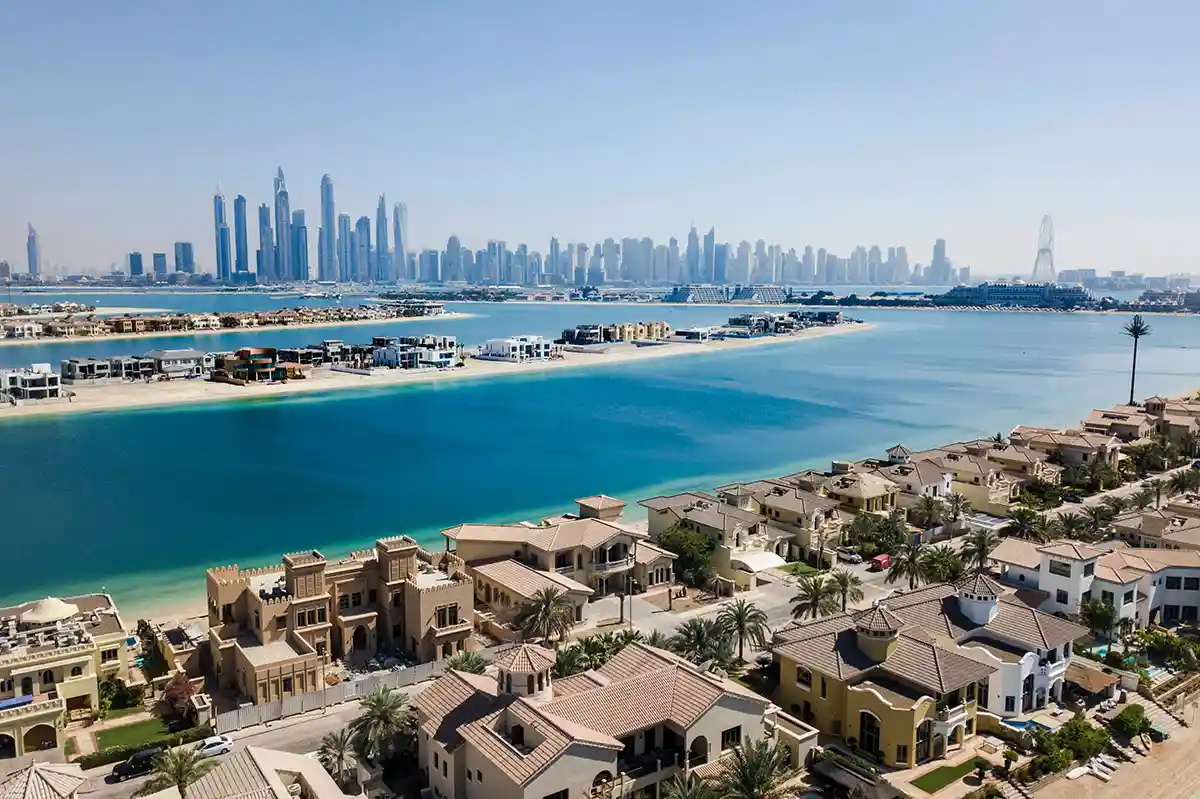
For families and those seeking larger spaces, areas like Dubai Hills Estate and Arabian Ranches provide premium villa living. These communities feature world-class golf courses, international schools, and expansive parks. As you learn how to buy property in Dubai, you will quickly realize that suburban villa communities often yield excellent long-term capital appreciation.
The Financial Mechanics and Tax Advantages
One of the main reasons investors choose to buy property in Dubai is the tax environment. Unlike Ireland or the UK, where property owners face annual council taxes, capital gains taxes on sales, and heavy income taxes on rental yields, the UAE operates entirely differently.
When you buy property in Dubai, there is no annual property tax. There is no capital gains tax when you decide to sell your asset for a profit. Furthermore, there is zero income tax on the rental revenue you generate. This means the gross yield you calculate is very close to your net yield, minus standard annual community service charges. For anyone looking to buy property in Dubai from Ireland, this tax efficiency is often the deciding factor. It allows your wealth to compound significantly faster than it would in traditional European markets.
It is important to note that while the UAE does not tax your rental income, you must consult a tax advisor in Ireland or the UK to understand your domestic reporting obligations. However, the UAE has extensive double taxation treaties that generally work in the favor of the international investor.
Managing Your Asset from Abroad
A common concern when you buy property in Dubai from overseas is management. How do you find tenants, collect rent, and handle maintenance when you are thousands of miles away? The solution is to hire a professional property management firm.
For a standard fee (usually around 5 percent of the annual rent), a property manager will handle everything. They will market the property, screen potential tenants, register the tenancy contract with the government system, collect rent checks, and coordinate any necessary repairs. When you buy property in Dubai, incorporating property management into your budget makes the investment entirely passive. You can sit back in Ireland and simply watch the returns hit your bank account.
The legal framework also heavily supports landlords. Tenancy laws are clear and well-enforced. Rent is typically paid in advance through a series of post-dated cheques, providing immense financial security. If you buy property in Dubai, you are entering a market designed to protect the rights and capital of the property owner.
Avoiding Common Pitfalls
While the process is streamlined, investors who buy property in Dubai must remain vigilant. Always verify that your real estate broker holds a valid license from the Real Estate Regulatory Agency. Never hand over cash directly to a seller or an agent; all transactions should be conducted through manager cheques or secure bank transfers coordinated by official trustee offices.
If you are buying off-plan, ensure the developer has a registered escrow account for the project. By law, your payments must go into this escrow account, not the developer's corporate account. This ensures your funds are only used for the construction of your specific project. Knowing exactly how to buy property in Dubai safely means understanding and utilizing these government-mandated protections.
Always factor in the closing costs. Some buyers stretch their budget to the absolute limit for the property price, forgetting the 4 percent registration fee, the agency fees, and the cost of furnishing the property if they intend to rent it out on the short-term market. When you buy property in Dubai, a comprehensive financial buffer is essential.
Comparing Dubai to Other Global Markets
When analyzing global real estate, you must consider the alternatives. Investors who buy property in Dubai often compare it to markets like London, Dublin, or traditional Mediterranean hotspots.
In Dublin, property prices are high, and rental income is subject to significant taxation. In London, stamp duty can be exorbitant for second-home buyers and overseas investors. In contrast, the entry costs in the UAE are flat and transparent. The rental yields in the UAE frequently sit between 5 and 8 percent net, whereas major European capitals often struggle to deliver 3 or 4 percent gross.
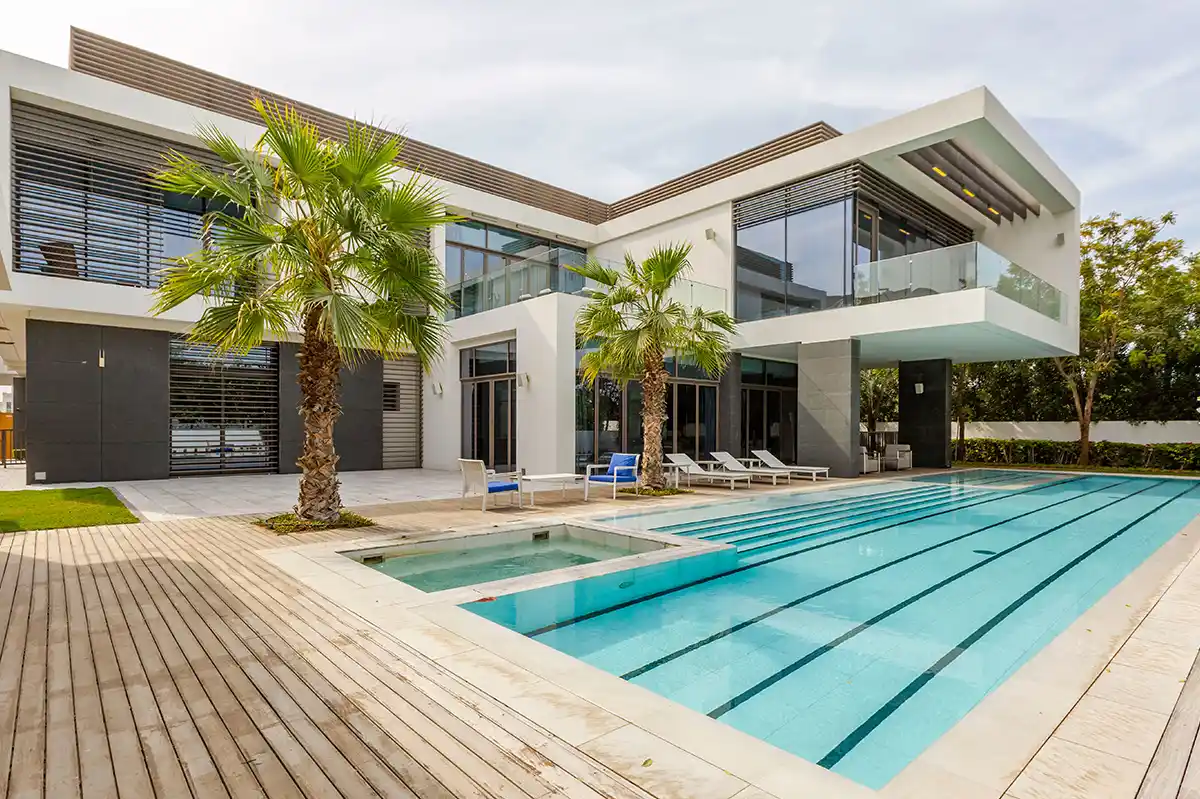
Furthermore, the sheer speed of development in the Middle East means that new, state-of-the-art communities are constantly emerging. If you buy property in Dubai, you are likely buying a modern, energy-efficient home with incredible amenities like gymnasiums, swimming pools, and dedicated security. Similar amenities in European capitals would push the property price into the ultra-luxury bracket.
Expanding Your Portfolio
For the ambitious investor, the first purchase is often just the beginning. Once you understand how to buy property in Dubai, the process becomes easily repeatable. Many international investors build robust portfolios consisting of a mix of high-yield studio apartments and capital-appreciating family villas.
Because you can buy property in Dubai without complex restrictions on the number of units a foreigner can own, scaling your investment is straightforward. As your rental income accumulates in a stable, tax-free environment, you can leverage those funds to acquire additional assets.
The flexibility to buy property in Dubai from Uk or Ireland means you can actively manage your portfolio expansion remotely, consulting with your trusted local broker to identify the next high-growth neighborhood before prices peak.
Frequently Asked Questions
Can Irish citizens buy property in Dubai?
Yes, Irish citizens are fully permitted to purchase real estate in the UAE. There are no nationality restrictions for buying in the designated freehold areas. You will enjoy the exact same ownership rights as any other international investor.
Do I need to live in Dubai to buy property there?
No, you do not need to be a resident. You can purchase real estate as a non-resident overseas investor. The entire transaction can be completed remotely using a registered Power of Attorney, allowing you to secure an asset from the comfort of your home in Ireland or the UK.
Can I get residency in Dubai by buying property?
Yes, real estate investment is a primary pathway to obtaining a visa. If your property is valued at two million Dirhams or more, you can apply for a ten-year Golden Visa. Additionally, 2026 regulations offer a two-year investor visa with no minimum property value requirement for sole owners, provided specific criteria are met. This allows you and your family to live in the UAE long-term.
What is freehold property in Dubai?
Freehold property grants the buyer absolute ownership of both the physical structure and the land it occupies. This ownership is permanent and can be sold, leased, or inherited. It is the most secure and popular form of property ownership for foreign investors.
Do foreign buyers need a mortgage, or can they pay in cash?
Foreign buyers have the option to do either. Cash purchases are very common and straightforward. However, if you prefer financing, non-resident mortgages are widely available from local banks, typically covering up to 50 or 60 percent of the property valuation for overseas buyers.
Final Thoughts
The decision to buy property in Dubai is a powerful step toward international wealth building. The combination of a booming economy, a tax-free environment, and world-class infrastructure makes the city an unparalleled destination for real estate investment. Whether you are looking for a lucrative rental asset or a luxurious second home in the sun, the market offers something for every strategy.
By understanding the rules, partnering with licensed professionals, and structuring your finances correctly, you can navigate the process with complete confidence. The framework is designed to welcome and protect foreign capital. When you buy property in Dubai, you are not just acquiring bricks and mortar; you are securing a foothold in one of the most exciting, forward-looking cities on the planet. For investors coming from Ireland and the UK, the opportunity to diversify away from heavily taxed, low-yield domestic markets is simply too compelling to ignore. Take your time, do your research, and prepare to enter a world of incredible real estate potential.
Navigating an international transaction can seem complex, which is why having a reliable local partner is essential. At Gi Properties, our premier UAE-based agency provides exclusive, end to end services for individual and corporate clients. Built on discipline, commitment, and deep market expertise, our seasoned consultants guide you through every step. Whether you seek strategic off-plan investments or luxury ready properties, we leverage our extensive developer network and conveyancing support to match your financial goals with the perfect asset. Contact our team to start your property purchasing journey.