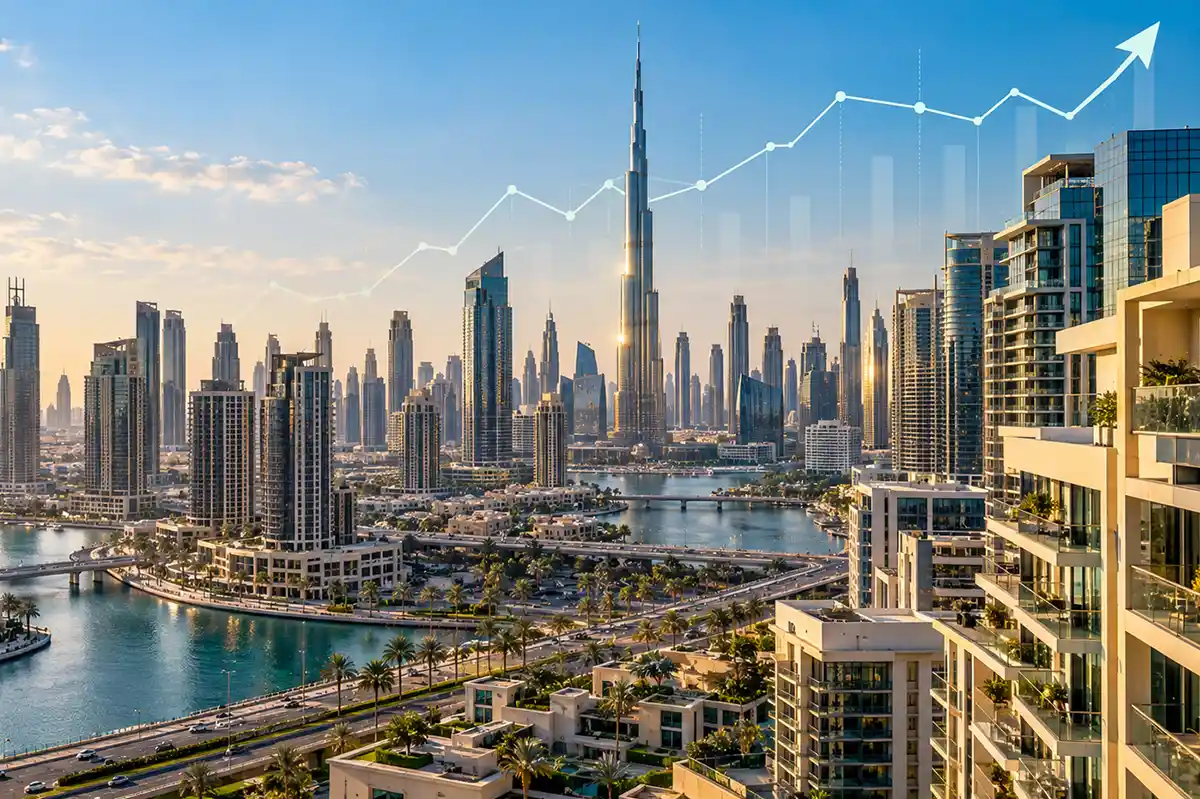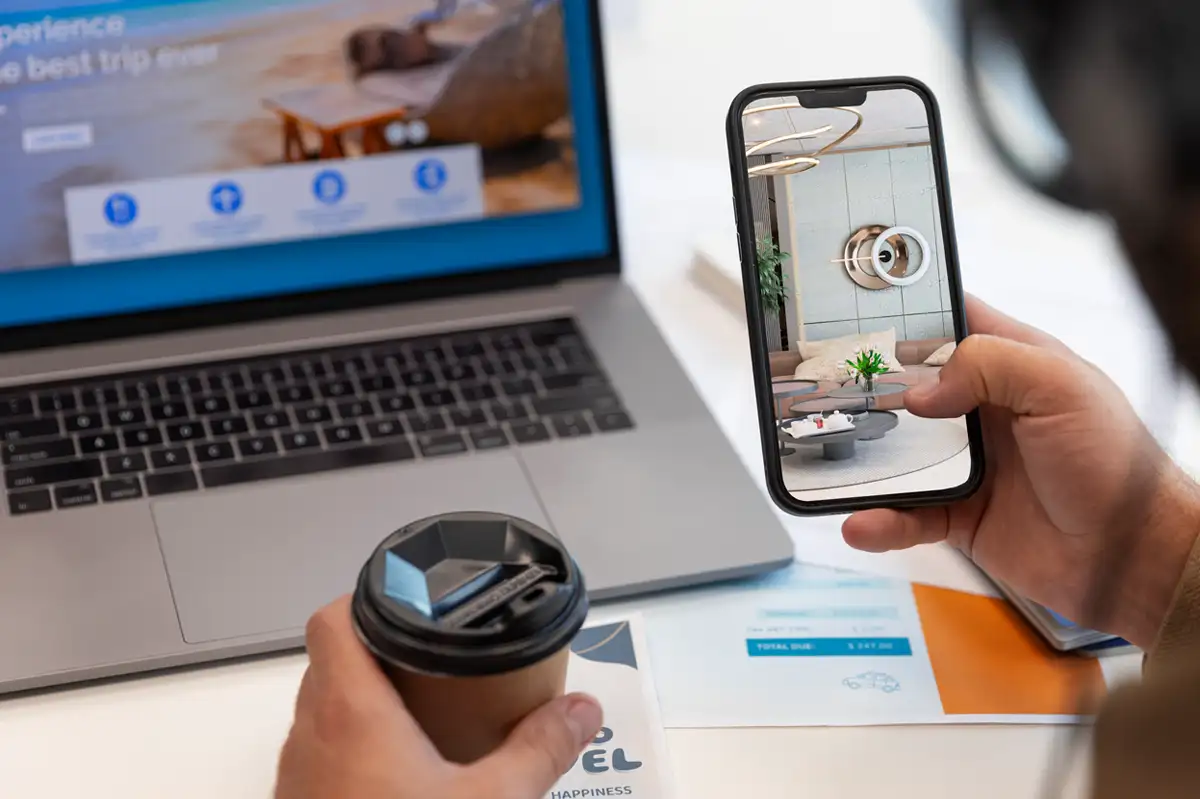
The landscape of the Dubai real estate market has transformed into a global hub for investors who may never even step foot in the city. As the city matures into a leading financial center, more individuals are looking to rent in Dubai as a primary source of passive income. Managing a rental property in Dubai from thousands of miles away is no longer a logistical nightmare but a streamlined digital process facilitated by robust government frameworks and technological innovation. Whether you are a seasoned investor or a first-time landlord, understanding how to effectively manage your Dubai real estate portfolio remotely is the key to maximizing return on investment and ensuring long-term asset health.
The Digital Transformation of Dubai Real Estate
The cornerstone of remote management is the digitisation of the Dubai Land Department (DLD). The DLD has pioneered several initiatives that allow owners to monitor their Dubai properties without physical presence. Through the Dubai REST app, landlords can access every detail of their investment, from title deeds to rental history. This transparency is essential for those looking to rent in Dubai because it eliminates the middleman for basic administrative tasks. When you own a rental property in Dubai, your first step should always be ensuring your profile is updated within the DLD systems.
The DLD has created a legal environment where Dubai rent is regulated through clear, enforceable laws. This regulatory clarity is what makes the market so attractive to international buyers. By utilizing official platforms, you can verify that your property for rent in Dubai is listed correctly and that all transactions are recorded in the official ledger. This level of oversight ensures that even if you are operating a rental remote business model, your rights are protected by the same standards as a local resident.
Strategic Marketing for Your Rental Property in Dubai
To successfully rent in Dubai, your marketing strategy must be data-driven and focused on transactional intent. High-performing Dubai properties often share a common trait: they are marketed with a focus on community amenities and ROI analysis. When preparing a property for rent in Dubai, you must look beyond the four walls of the unit. Prospective tenants are looking for lifestyle; they want to know about proximity to schools, healthcare, and transport links.
A professional content strategy is vital for a rental property in Dubai. This involves high-quality photography, virtual 3D tours, and detailed descriptions that meet modern SEO standards. For instance, maintaining a keyword-rich description helps your listing appear higher when people search for property for rent in Dubai. A smooth, professional tone in your marketing materials builds trust with high-quality tenants. When you aim to rent in Dubai, your digital presence is your physical showroom, so every word and image must reflect a standard of excellence.
Understanding the Legal Framework: RERA and Ejari
Every Dubai rental agreement must be registered through the Ejari system. This is a mandatory requirement that provides a legal umbrella for both parties. For a remote landlord, Ejari is your greatest ally because it creates an official record of the Dubai rent amount, the duration of the contract, and the security deposit. If a dispute arises regarding your rental property in Dubai, the Ejari certificate is the primary document recognized by the Rental Dispute Center.
The Real Estate Regulatory Agency (RERA) sets the guidelines for how you can rent in Dubai. This includes the RERA Rental Index, which determines whether you can increase the Dubai rent during a contract renewal. Managing this remotely requires staying ahead of the 90-day rule. Landlords must provide a formal notice to tenants at least 90 days before the contract expires if they intend to change the terms or the rent in Dubai. Failing to do this can lead to an automatic renewal of the existing terms, which might negatively impact your annual ROI.
Maintenance and Operational Efficiency
One of the biggest challenges of managing a rental property in Dubai remotely is maintenance. Weather conditions in the region can be harsh, and air conditioning units require regular servicing to prevent expensive repairs. To successfully rent in Dubai without being present, you must establish a partnership with a reliable property management firm or a maintenance provider. These companies act as your eyes and ears on the ground for all your Dubai properties.
When listing a property for rent in Dubai, clarity on utility responsibilities is crucial. A common point of confusion for tenants looking to rent in Dubai is the difference between chiller-free units and district cooling. Chiller-free means the landlord or the building management covers the AC cooling energy costs, whereas district cooling involves a separate bill from a provider like Emicool or Empower. Clearly stating these terms in your Dubai rental agreement prevents future disputes and ensures a smoother tenant experience.
Financial Management and Performance Tracking
Tracking the performance of your Dubai real estate investment requires a focus on key performance indicators (KPIs). You should monitor organic inquiries, conversion rates from platforms like WhatsApp, and overall occupancy levels. To effectively rent in Dubai, you need to treat your property like a business. If a unit stays vacant for too long, it may be time to reassess your pricing strategy based on the current market data for similar property for rent in Dubai.
Remote landlords should also be aware of the "90-day rule" regarding rental increases. This rule stipulates that any amendment to the contract must be communicated three months in advance. By keeping a digital calendar of all your Dubai rental expirations, you can ensure you never miss a window to optimize your revenue. Managing the financial aspect of your rental property in Dubai is much easier when you use property management software that integrates with your bank accounts to provide real-time updates on rent in Dubai collections.
Screening Tenants for Long-Term Stability
Finding the right person to rent in Dubai is just as important as the property itself. Since you are managing the rental remote, you need tenants who are reliable and communicative. Standard procedure involves requesting a copy of the tenant's passport, visa, and Emirates ID. For those looking at a rental property in Dubai, it is also common practice to ask for a salary certificate or bank statements to ensure the tenant can afford the Dubai rent.
Security deposits are a standard part of the process when you rent in Dubai. Usually, this is 5% of the annual rent for unfurnished units and 10% for furnished ones. These funds are held to cover any potential damages to your Dubai real estate at the end of the tenancy. Maintaining a professional relationship with your tenants, even from a distance, encourages them to take better care of your property for rent in Dubai.
Frequently Asked Questions
What are the cheapest areas to rent in Dubai? Affordability often depends on the type of property and proximity to central hubs. Areas like International City, Deira, and Al Muhaisnah are traditionally among the most budget-friendly options to rent in Dubai. For those seeking modern amenities at a lower price point, Jumeirah Village Circle (JVC) and Al Furjan offer a high standard of living for a competitive Dubai rent.
How do I rent a flat in Dubai as a foreigner? Foreigners can easily rent in Dubai by providing a valid passport and residency visa. You will need to sign a standard tenancy contract and register it through Ejari. Payment for a rental property in Dubai is typically made via post-dated cheques, which is a unique aspect of the local market.
What is the 90-day rule for rent increases? The 90-day rule is a RERA regulation stating that any changes to a tenancy contract, including an increase in Dubai rent or changes to the terms, must be communicated in writing to the other party at least 90 days before the contract expires.
How can I check if a rental increase is legal? You should use the RERA Rental Price Index calculator available on the DLD website. By entering your property details and current rent in Dubai, the system will tell you the maximum percentage increase allowed based on market averages for that specific area.
What is the difference between Chiller-free and District Cooling? In a chiller-free rental property in Dubai, the electricity for the air conditioning is covered by the landlord or building, meaning the tenant only pays for their standard DEWA usage. District cooling involves a separate monthly fee for the cooling energy consumed, which is typically paid by the tenant directly to a third-party provider.
Maximizing the Potential of Remote Management
The ability to rent in Dubai while living abroad is a testament to the efficiency of the local property market. By leveraging the tools provided by the DLD and RERA, landlords can maintain full control over their Dubai real estate assets. The transition to a rental remote model requires a shift in mindset, moving away from hands-on management to a more strategic, oversight-based approach.
Successfully managing a rental property in Dubai involves a combination of legal compliance, smart marketing, and proactive maintenance. As long as you stay informed about the latest regulations and maintain clear communication with your tenants and service providers, your investment will continue to thrive. The demand to rent in Dubai remains high, and with the right strategy, your property for rent in Dubai can provide a stable and growing source of income for years to come. Ultimately, the success of your Dubai rental portfolio depends on your ability to adapt to a digital-first environment and treat every unit with the professional care it deserves.