As we navigate the 2026 rental market, the lines between "Minor" and "Major" maintenance have become clearer thanks to updated RERA guidelines and standardized tenancy addendums. However, many tenants and landlords still fall into the trap of expensive disputes simply because they don't understand the "AED 1,000 Rule" or the concept of "Handover Condition."
At Gi Properties, we believe a well-maintained home is the foundation of a happy tenancy. Here is the logistical breakdown of who truly pays for what in 2026.
1. The Legal Foundation: Article 16
Before looking at the cost of a leaking tap, we must look at the law. The relationship between landlord and tenant regarding maintenance is governed by Law No. (26) of 2007.
The Default Rule: According to Article 16 of Law 26 of 2007, the landlord is responsible for all maintenance, repairs, and restoration of any faults or defects that affect the tenant’s full intended use of the property—unless otherwise agreed in the contract.
This last phrase is where the "Minor vs. Major" distinction is clear. Almost every standard contract in Dubai today includes a clause that shifts some responsibility to the tenant.
Defining the "Minor Repair" (The Tenant’s Duty)
In 2026, "Minor Maintenance" generally refers to day-to-day wear and tear or consumable items that are part of living in a home.
The AED 1,000 Threshold
While not a law itself, the market standard in 2026 for most residential contracts is a threshold of AED 1,000 (though some older contracts still use AED 500).
- If a repair costs less than the threshold: The Tenant pays.
- If a repair costs more than the threshold: The Landlord pays.
Common Minor Items (Tenant Responsibility):
- Replacement of light bulbs or shower hoses.
- Professional AC filter cleaning (highly recommended every 6 months).
- Pest control for common household insects.
- Fixing a jammed door handle or a loose cabinet hinge.
Defining the "Major Repair" (The Landlord’s Duty)
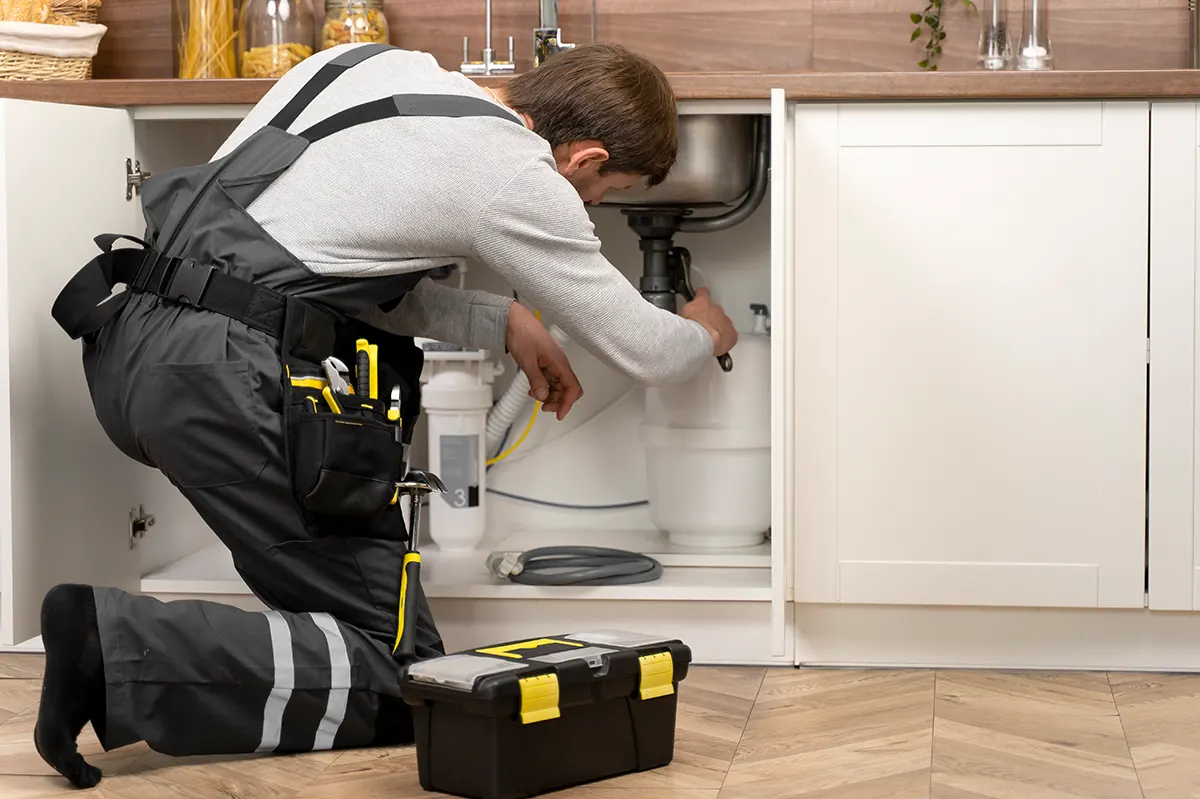
A "Major Repair" is typically anything involving the structural integrity of the building or the "Prime Systems" (AC, Plumbing, Electrical) that require specialized technicians.
Common Major Items (Landlord Responsibility):
- AC System Failures: Replacement of compressors, gas leaks, or PCB board failures.
- Plumbing: Bursted pipes inside walls or water heater replacements.
- Electrical: Faulty wiring or circuit breaker failures.
- Structural: Roof leaks, wall cracks, or foundation issues.
The 2026 Maintenance Matrix
To make things simple for our clients at Gi Properties, we use this quick-reference table:
| Item | Fault Type | Responsibility |
| Air Conditioning | Dirty filters / Minor bad smell | Tenant |
| Air Conditioning | Compressor failure / No cooling | Landlord |
| Plumbing | Clogged sink due to food waste | Tenant |
| Plumbing | Water heater leak / Internal pipe burst | Landlord |
| Electrical | Blown light bulb | Tenant |
| Electrical | Total power failure in one room | Landlord |
| Appliances | Oven knob replacement | Tenant |
| Appliances | Washing machine motor failure | Landlord |
The "Move-In Snag List": Your Best Defense
The biggest logistical mistake tenants make is failing to document the property's condition on Day 1. In 2026, the Dubai REST App allows you to upload photos of existing damage directly to your Ejari record.
The Gi Properties Strategy:
- The 48-Hour Grace Period: Most contracts allow 48 to 72 hours to report "inherited" issues. If the AC doesn't work on your first night, it is a landlord issue, regardless of the cost.
- Dated Photos: Take high-resolution photos of every corner, including inside cabinets and the balcony floor.
- AC Servicing Receipt: Ask your landlord for a "Pre-Move-In AC Service Receipt." If they can't provide one, they should cover the first service of the year.
What if the Landlord Refuses to Pay?
If a major repair occurs (e.g., your water heater explodes) and the landlord refuses to fix it, you have legal recourse in 2026.
- Written Notice: Send an official email or WhatsApp citing the maintenance clause in your Ejari.
- The "Repair and Deduct" Trap: Warning! In Dubai, you generally cannot fix a major item and simply deduct it from your next rent cheque without a court order. Doing so could be considered a breach of contract.
- The Rental Dispute Centre (RDC): If the home becomes "un-livable" (no AC in August), you can file an urgent case at the Rental Dispute Settlement Centre.
Pro-Tip: The Maintenance Contract
For our landlords at Gi Properties, we always recommend a preventative maintenance contract. For a small annual fee (usually AED 1,200–2,500), a professional company will visit twice a year to service the AC, check the plumbing, and catch "Minor" issues before they become "Major" AED 10,000 disasters.
Trusted Source: For more on service standards, refer to the RERA Rental Good Conduct Certificate guidelines which encourage proactive property upkeep.
Clarity Prevents Conflict
Logistics shouldn't be a headache. By clearly defining the AED 1,000 threshold and documenting the home's condition at move-in, both parties can enjoy a professional, respectful relationship.
At Gi Properties, our property management team handles these headaches for you. We act as the bridge between landlords and tenants, ensuring that repairs are done by certified professionals and costs are allocated fairly according to the latest Dubai laws.
Is your property in need of a professional management touch?
Contact Gi Properties Property Management to learn how we protect your investment and your sanity peace of mind.