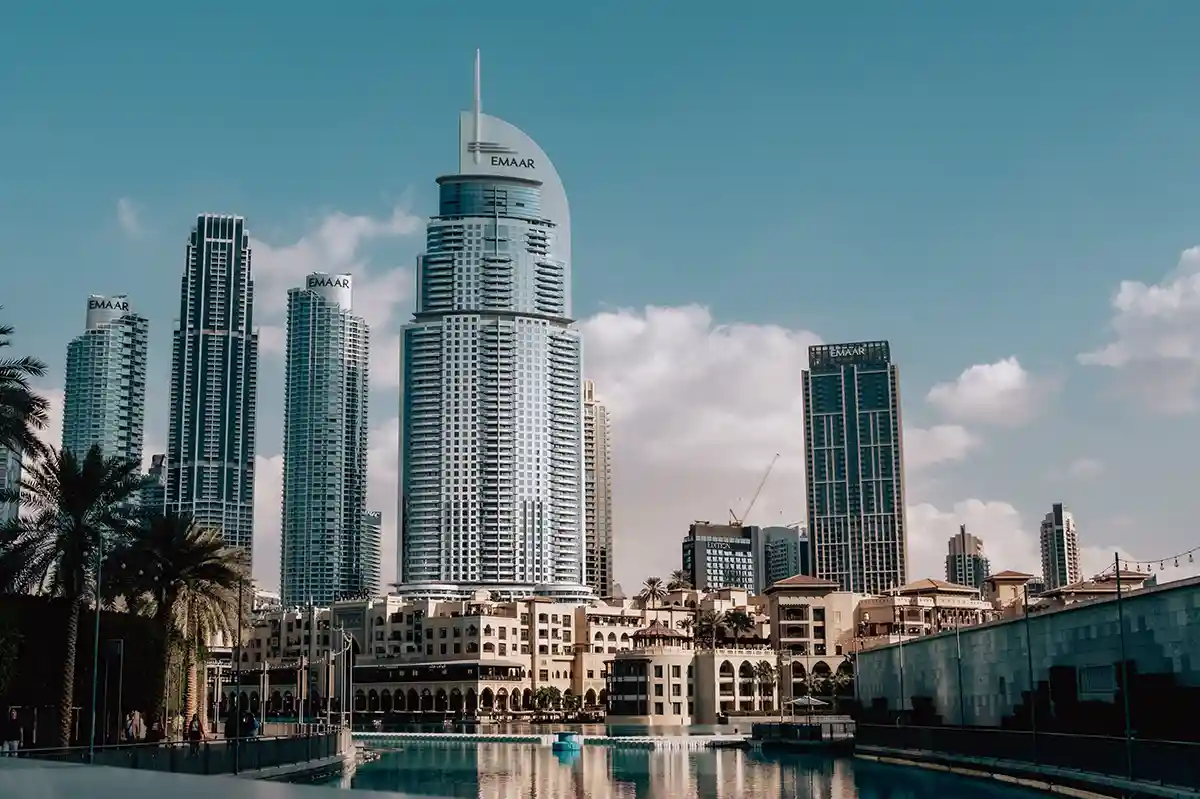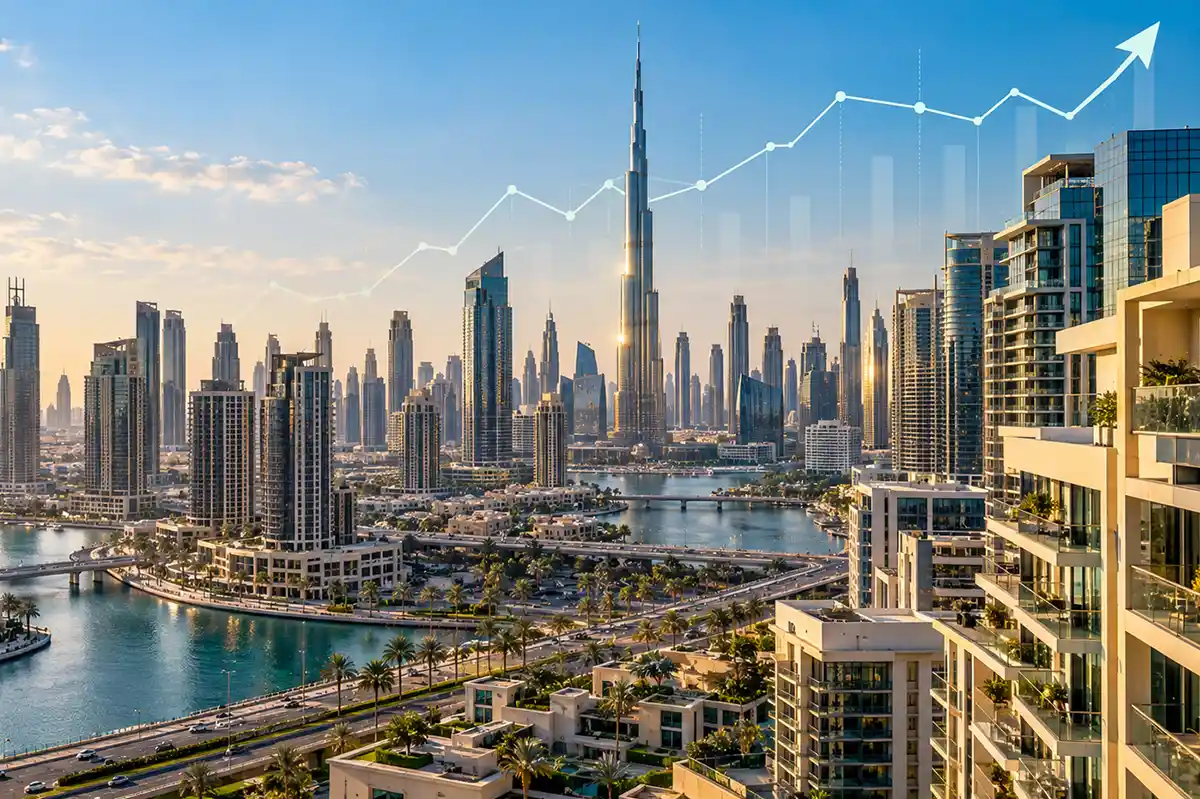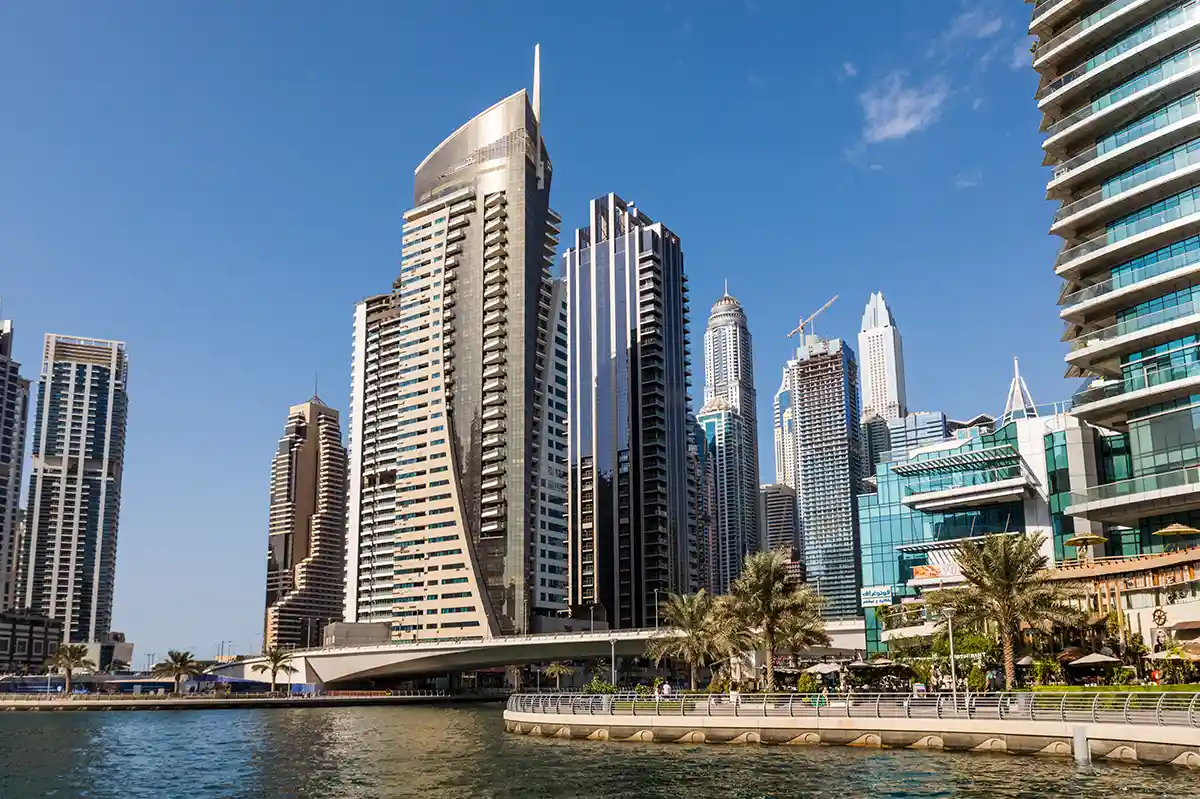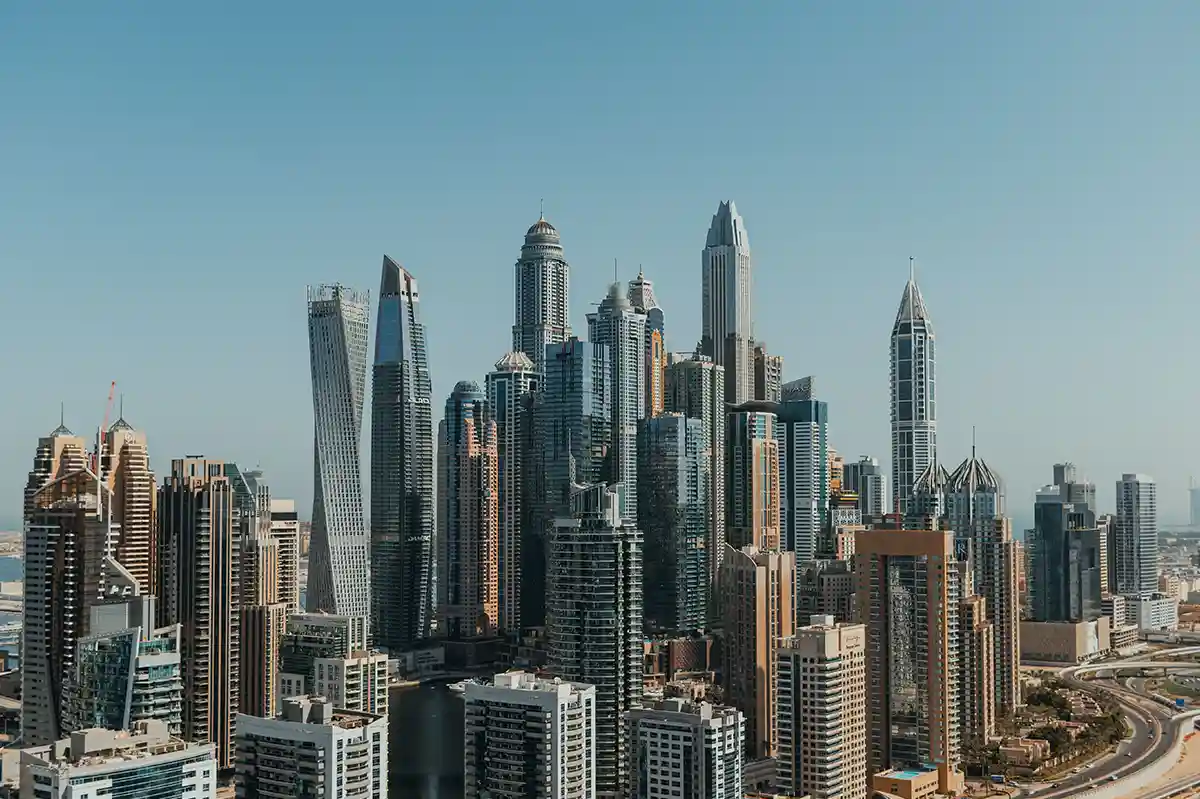
In the landscape of 2026, the word "stability" is often used to describe a lack of conflict. But in Dubai, stability is built on something much more tangible: Interdependence. When we look at the recent headlines of regional tensions, it’s easy to focus on the noise. However, the world’s most sophisticated investors look at the pipes, the ports, and the planes. They see a city that handles roughly one in ten global shipping containers and serves as the primary bridge between the manufacturing giants of the East and the consumer markets of the West. In 2026, Dubai has achieved a unique status: it is now so vital to the global supply chain that its security is a matter of international economic interest.
DP World: The Global Logistics Engine
To understand why Dubai remains a safe haven, you have to look at DP World. No longer just a "local port operator," by 2026, DP World has evolved into a global logistics titan with operations across 73 countries.
The Network Effect:
- The Santos Expansion: In early 2026, DP World’s expansion in Brazil pushed its capacity to 1.7 million TEUs, linking South American pulp and food exports directly to the Middle East.
- Global Trade Confidence: According to the 2026 Global Trade Observatory Report, 94% of supply chain executives expect trade growth to match or exceed last year’s levels, citing Dubai’s "CEPA" (Comprehensive Economic Partnership Agreements) as a primary driver of resilience.
- Strategic Redundancy: Even when specific maritime routes face pressure, DP World’s integrated digital infrastructure allows for real-time rerouting, ensuring that goods—and the capital they represent—never stop moving.
Emirates Airline: The "2026 Growth Push"
While some might expect an airline to scale back during regional uncertainty, Emirates Airline has done the opposite. 2026 is officially the year of the "Aviation Superhub" expansion.
- Fleet Growth: Emirates SkyCargo is on track to take delivery of up to 10 Boeing 777 freighters by December 2026, doubling its cargo capacity to meet the skyrocketing demand of global e-commerce.
- Network Aggression: Far from retreating, UAE carriers are launching new routes to emerging markets like Danang, Siem Reap, and Shenzhen, further tightening the UAE's grip on global travel flows.
- Retrofit & Tech: A $5 billion retrofit program is currently upgrading over 200 aircraft with Starlink connectivity and advanced AI-driven flight systems, ensuring that Dubai’s "bridge" is the most technologically advanced in the sky.
When the world’s largest long-haul carrier is investing billions in expansion, it isn't a gamble; it's a calculated move based on the reality that the East-West corridor is more active than ever.
The "Too Important to Fail" Doctrine
The secret to Dubai's safety isn't just its own defense systems—it is the International Security Umbrella. Because Dubai acts as the logistics "brain" for billions of dollars in global trade, the world’s major powers have a vested interest in its tranquility.
The Power of Neutrality:
In 2026, the UAE has perfected the art of "Proactive Diplomacy." High-level meetings in February and March 2026 between UAE leadership and global powers (including the U.S., China, and India) have reaffirmed a shared commitment to regional stability.
- The U.S.-UAE Strategic Partnership: Bilateral trade reached $39 billion in 2025, with 2026 projections trending higher.
- East-West Bridge: As the cornerstone of the GCC-China relationship, Dubai provides the "neutral ground" necessary for global trade to continue even when other regions are polarized.
Economic Security as National Security
In 2026, the UAE government officially integrated "Economic Security" as a central pillar of its national strategy. This means that protecting a port or a bank is treated with the same level of priority as protecting a border.
- Sovereign Resilience: With massive financial reserves and sovereign wealth funds, the UAE has the "fiscal firepower" to absorb external shocks that would cripple other nations.
- Investor Confidence: The S&P Global PMI for Dubai hit a record 54.5 in early 2026, signaling that new orders and business activity are actually accelerating despite the regional backdrop.
Why 2026 is the Year to Stay the Course
The "Infrastructure of Peace" is a self-fulfilling prophecy. Because Dubai is the most efficient place to do business, more businesses move here. Because more businesses are here, the global community works harder to ensure the city remains safe.
For the investor, the conclusion is simple:
- Logistics are the new gold: Dubai owns the pipes of global trade.
- Aviation is expanding: Travel demand is outpacing regional concerns.
- Stability is a global priority: The world cannot afford for Dubai to be anything but stable.
Dubai in 2026 is not a city under threat; it is a city that has become indispensable. Whether you are moving cargo through Jebel Ali or moving capital through the DIFC, you are participating in a system that is designed, defended, and destined to grow.
The noise will fade, but the infrastructure remains.