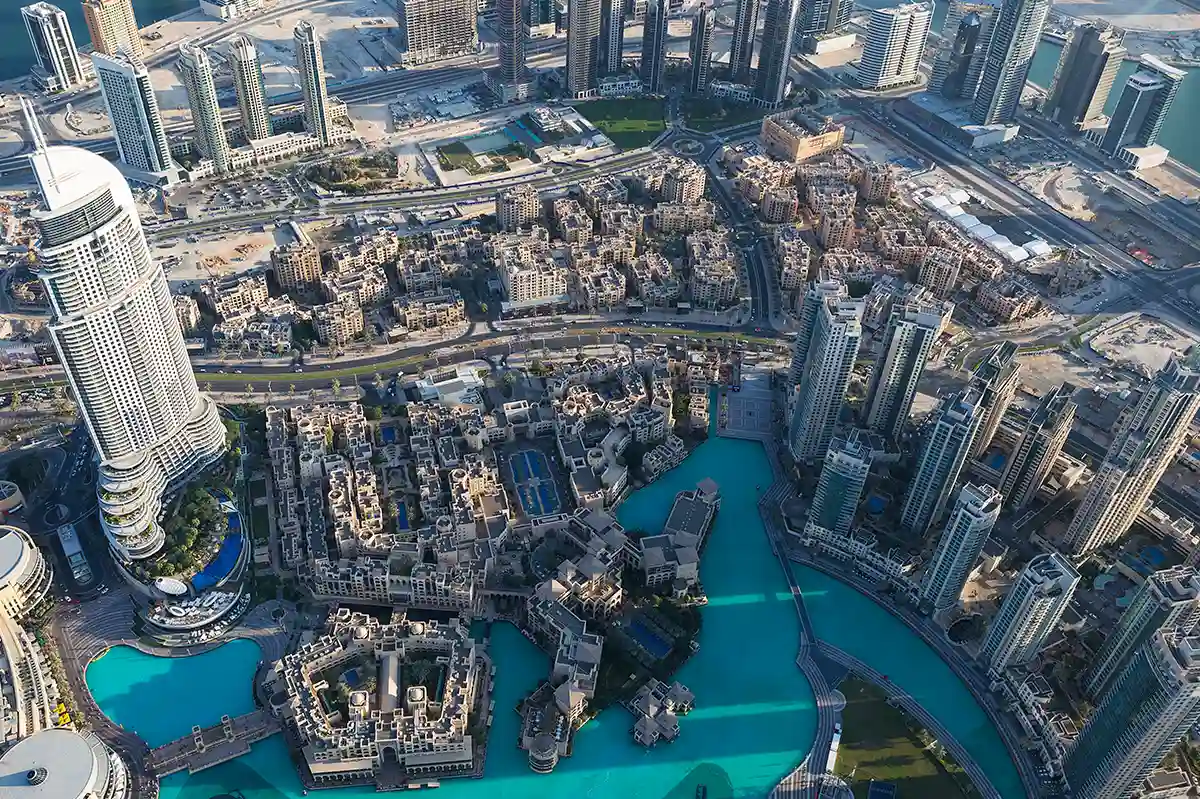
The global real estate market is notoriously sensitive to economic and geopolitical instability. Financial crashes, pandemics, and trade wars often send real estate markets tumbling worldwide. Yet, within this volatile landscape, certain cities emerge as remarkably resilient, even thriving amidst the chaos. Dubai, a dynamic and ambitious Emirate in the United Arab Emirates (UAE), has consistently demonstrated this extraordinary resilience, presenting itself as a safe haven for real estate investment when global markets are in turmoil.
The narrative of "Dubai property market safe investment" isn't merely a marketing slogan; it's a reputation earned through decades of strategic planning, proactive governance, and an unwavering commitment to diversification. While Dubai hasn't been completely immune to the ripples of global economic shifts, its unique approach to managing these challenges has consistently proven its ability to bounce back stronger and faster than many of its global counterparts.
Let's delve deeper into how Dubai has navigated significant global crises, exploring the strategies and factors that have reinforced its status as a robust real estate market, starting with its response to a historical financial shock.
Dubai Real Estate and the 2008 Financial Crisis: Lessons Learned
The 2008 global financial crisis was a watershed moment for real estate globally, and Dubai was not spared the immediate impact. The years leading up to 2008 saw unprecedented growth and investment in the Dubai property sector, fueled by speculative buying and easy credit. When the crisis hit, the market experienced a significant correction, with property prices and transaction volumes declining sharply.
This period was undoubtedly challenging, but it served as a critical turning point for the Emirate's long-term development strategy. The "Dubai real estate 2008 financial crisis" wasn't just a period of contraction; it was a period of introspection and regulatory overhaul.
The key lesson learned was the need for stronger market regulation and a shift away from excessive speculation. The Dubai government and the Dubai Land Department (DLD) implemented a series of crucial measures to stabilize and mature the market:
- Escrow Accounts: Mandatory escrow accounts were introduced for off-plan developments. This ensured that developer funds were dedicated solely to the construction of the specific project, protecting buyers' investments from developer default or mismanagement.
- Increased Transparency: The DLD enhanced transparency by requiring the registration of all property transactions, making market data more accessible and reliable for investors. This helped combat opaque dealings and speculative price manipulation.
- Strengthened Investor Protections: New laws and regulations were enacted to empower buyers and developers, clearly defining rights, obligations, and dispute resolution mechanisms. This fostered greater trust and confidence among investors.
- A Shift to Quality and End-Users: The focus shifted from pure speculation to attracting end-users and long-term investors. This encouraged developers to build higher-quality projects with better amenities and integrated community features.
These regulatory reforms laid the groundwork for a more stable and sustainable real estate market. The crisis also accelerated Dubai's drive for economic diversification, ensuring that its long-term growth wasn't overly reliant on a single sector. This strategic pivot paved the way for future resilience, as evidenced by its response to subsequent challenges.
Dubai Property Market's Post-COVID-19 Recovery: A Strategic Pivot
The onset of the COVID-19 pandemic in 2020 presented an entirely different kind of challenge, impacting global mobility, tourism, and economic activity simultaneously. Real estate markets worldwide ground to a halt as lockdowns and uncertainty became the norm.
However, Dubai's response was swift, proactive, and remarkably effective. The "Dubai property market COVID-19 recovery" is a story of agility, innovation, and strategic adaptation. While initial lockdowns impacted transaction volumes, the Dubai government quickly recognized the need to support the economy and ensure a rapid rebound.
Several key factors contributed to this exceptional recovery:
- Effective Pandemic Management: Dubai was one of the first cities in the world to implement a comprehensive vaccination campaign and manage the pandemic with efficiency. This swift and decisive action helped restore confidence and attract international visitors and residents back to the city much faster than other global hubs.
- Stimulus Packages and Incentives: The UAE government and the Dubai Central Bank introduced substantial stimulus packages to support businesses and individuals. These measures included reductions in government fees, loan repayment holidays, and targeted support for critical sectors like tourism and real estate.
- Accelerated Digital Transformation: The real estate sector rapidly embraced digital technologies. Virtual property viewings, online transaction platforms, and digital mortgage processing became the norm, enabling remote investors and residents to continue their property journeys despite travel restrictions.
- Strategic Focus on New Segments: Dubai pivoted its real estate focus to cater to evolving lifestyle trends accelerated by the pandemic. This included a surge in demand for larger homes with dedicated workspaces, properties in well-connected communities, and residences offering enhanced health and wellness amenities.
- Introduction of Long-Term Visas: While initiatives like the Golden Visa pre-dated the pandemic, their importance grew significantly during and after COVID-19. These visas, which we'll explore in detail later, became highly attractive to international professionals and high-net-worth individuals seeking a stable and secure environment.
The result of these collective efforts was a remarkable and rapid rebound. By 2021, the Dubai real estate market was experiencing historic levels of growth, fueled by both domestic and international demand. This recovery solidified Dubai's reputation as a resilient and adaptable market capable of not only weathering a global crisis but also capitalizing on the opportunities that arise from it. This agility is mirrored in its robust business environment, which continues to attract international companies and talent.
DIFC Company Growth and the Influx of Demand for Dubai Real Estate
The strength of Dubai's real estate market is intrinsically linked to its position as a global business and financial hub. The Dubai International Financial Centre (DIFC) stands as a prime example of this synergy, having established itself as a leading financial ecosystem in the Middle East, Africa, and South Asia (MEASA) region.
The ongoing "DIFC company growth Dubai" has a direct and significant impact on the demand for real estate, particularly for commercial space and high-end residential properties. Let's explore this dynamic connection:
- Attracting Global Talent: The DIFC is home to thousands of international financial institutions, law firms, and consultancy agencies. This dynamic business environment attracts highly skilled professionals and executives from across the globe. These individuals require not only modern office spaces but also high-quality residential properties, ranging from luxury apartments to upscale villas. This sustained demand for both commercial and residential real estate drives up property values and rental yields, benefiting investors.
- Fuelling Commercial Real Estate Demand: The continuous influx of new companies and the expansion of existing ones within the DIFC fuels demand for premium office space. This is reflected in the high occupancy rates and robust rental growth experienced in the DIFC's commercial sector. Investors in commercial property in and around the DIFC stand to benefit from a consistent stream of corporate tenants.
- Spillovers to Surrounding Areas: The success of the DIFC benefits not only its immediate precinct but also surrounding residential and commercial areas like Downtown Dubai, Business Bay, and Sheikh Zayed Road. The high demand for housing and amenities from DIFC professionals creates opportunities for developers and investors in these adjacent locations, amplifying the overall growth in Dubai's real estate market.
- Enhancing Dubai's Global Standing: The DIFC's reputation as a world-class financial center enhances Dubai's global brand and attractiveness to international investors and businesses. This, in turn, strengthens the overall economy, further bolstering confidence in the real estate market.
In essence, the DIFC acts as a powerful engine for economic activity and real estate demand. Its continued growth ensures a steady stream of corporate users and affluent professionals, all contributing to a vibrant and resilient real estate ecosystem. This business-centric approach is complemented by Dubai's strong logistical capabilities, which are crucial for global trade.
Jebel Ali Port: The Catalyst for Global Trade and Dubai Property Growth
While often overlooked in the context of residential real estate, Dubai's prowess as a global logistics and trade hub is a massive driver of its real estate market stability and long-term growth. The Jebel Ali Port, one of the world's largest container ports, is a central component of this ecosystem.
The "Jebel Ali Port global trade Dubai" facilitates an enormous volume of trade, connecting Dubai to over 150 ports globally. This immense logistical activity has profound, multifaceted effects on the Dubai property market:
- Industrial Real Estate Boom: The port's activity fuels massive demand for industrial and logistics infrastructure, including warehouses, storage facilities, and distribution centers. This sector, often referred to as "logistics real estate," has experienced significant growth, attracting investors seeking stable income streams and long-term capital appreciation. The proximity of the port and the neighboring Jebel Ali Free Zone (Jafza) creates a highly attractive environment for manufacturing, distribution, and logistics companies.
- Commercial Real Estate Support: The port is the lifeblood of Dubai's trade sector, supporting a vast array of import, export, and trading businesses. These companies require office space, stimulating demand in established commercial areas and fueling the development of new trading hubs. The movement of goods and people associated with the port creates a dynamic environment that supports various commercial activities, indirectly benefiting the broader real estate market.
- Residential Demand Generation: The operation and management of a global logistics hub like Jebel Ali Port, along with the thousands of companies that leverage it, create numerous employment opportunities. This diverse workforce, ranging from specialized technicians to logistics executives, drives demand for a wide spectrum of residential properties, from affordable staff housing to mid-range apartments and executive villas in areas surrounding Jebel Ali and adjacent developments.
- Economic Resilience and Diversification: The port is a cornerstone of Dubai's diversified economy. By positioning itself as a global trade hub, Dubai reduces its reliance on any single economic sector. This diversification provides a buffer against volatility in other sectors (such as tourism or oil price fluctuations), contributing to overall economic stability and, consequently, to the long-term health and predictability of the real estate market.
In summary, Jebel Ali Port is far more than just a logistical asset; it's a strategic driver of economic activity that reverberates through various sectors, including real estate. The sustained demand it generates for industrial, commercial, and residential properties makes it a critical, albeit often silent, contributor to Dubai's property market resilience. This environment, supported by strategic infrastructure, has become even more attractive with the introduction of innovative visa schemes.
The Dubai Golden Visa: Driving Unprecedented Real Estate Demand
In recent years, the UAE government has introduced several landmark visa and residency reforms that have significantly enhanced the country's appeal to international talent, investors, and high-net-worth individuals. Among these, the Dubai Golden Visa stands out as a powerful catalyst for the real estate market.
The "Dubai Golden Visa real estate" connection is a potent driver of demand. The Golden Visa offers long-term residency (typically 5 or 10 years) to eligible individuals, including investors, entrepreneurs, professionals, and exceptional talents. This stability and security are highly valued by expatriates, who comprise a substantial portion of Dubai's population and workforce.
Here’s how the Golden Visa has transformed the Dubai property market:
- Stimulating Property Investment: A direct pathway to obtaining a 10-year Golden Visa is through real estate investment. To be eligible, investors must purchase property valued at AED 2 million or more (or have equity of that amount in mortgaged properties). This requirement has spurred significant investment, particularly from individuals looking for long-term residency benefits. It has incentivized investors to focus on higher-value properties, boosting the luxury and mid-to-high-end segments of the market.
- Attracting and Retaining Global Talent: By offering long-term residency to skilled professionals, researchers, and entrepreneurs, the Golden Visa helps Dubai attract and retain world-class talent. These individuals are more likely to invest in the city's long-term future, leading to increased home ownership and reduced reliance on rental demand. The presence of a larger, long-term expatriate community fosters a more stable and mature real estate market.
- Fostering Family-Oriented Communities: The Golden Visa allows primary holders to sponsor their family members, including spouses and children. This encourages professionals to settle in Dubai long-term, driving demand for larger, family-oriented homes in established communities with quality schools and amenities. This shift contributes to a diverse and sustainable market that is less susceptible to short-term economic fluctuations.
- Enhancing UAE's Competitiveness: The Golden Visa program enhances Dubai's (and the UAE's) competitive advantage vis-à-vis other global cities. By offering clear and attractive paths to long-term residency, Dubai becomes a more appealing destination for international professionals and investors seeking stability and a high quality of life. This reinforces the city’s status as a top global hub and a premier investment destination.
The introduction of the Golden Visa has proved to be a masterstroke, aligning economic goals with social stability. Its impact on the real estate market is undeniable, providing a powerful new driver for sustained growth and resilience. This innovation, combined with the other factors explored, ensures that Dubai remains a top destination for foreign capital.
Why the Dubai Property Market Remains Stable Amidst Global Instability
The consistent stability and growth of the Dubai property market are not a result of good fortune alone. It's the byproduct of a calculated and multi-layered approach that creates a secure and attractive environment for investors, particularly during periods of global crisis. The question is often asked, "Is the Dubai property market stable?" and the answer lies in understanding the complex tapestry that underpins this market.
Several interconnected factors contribute to this enduring stability:
- Proactive and Supportive Governance: The Dubai government plays an active role in steering the real estate sector. This is evident in the dynamic and effective regulatory frameworks implemented by the Dubai Land Department (DLD) and the Real Estate Regulatory Agency (RERA). Laws are constantly refined to protect both buyers and developers, foster transparency, and maintain market discipline. This proactive approach prevents speculative bubbles and ensures orderly growth.
- Diversified Economy: Dubai's strategic focus on non-oil sectors like tourism, finance, trade, technology, and logistics creates a resilient and diversified economy. As we explored in previous sections, the strength of the DIFC and Jebel Ali Port, along with a booming tourism industry, generates sustained demand for residential and commercial real estate. This reduces vulnerability to volatility in any single sector, including oil price fluctuations.
- World-Class Infrastructure and Connectivity: Dubai consistently invests in building superior infrastructure. This includes state-of-the-art airports (Dubai International and Al Maktoum International), a comprehensive public transport system (Dubai Metro and tram), advanced roads and bridges, and leading healthcare and education facilities. This connectivity and high quality of life attract both businesses and individuals, creating a strong foundation for the real estate market.
- Strategic Geographic Location: Situated at the crossroads of East and West, Dubai is a natural gateway to a vast market comprising billions of people across the Middle East, Africa, and Asia. This prime location makes it an ideal business and trading hub, driving commercial real estate demand and supporting a thriving expatriate population.
- Safe and Secure Environment: Dubai is renowned for its safety and security, consistently ranking as one of the safest cities globally. This is a crucial factor for international investors and high-net-worth individuals, especially during times of global political instability or security concerns.
In conclusion, Dubai’s property market stability is not an accidental outcome; it's a strategically engineered reality. It’s built on a foundation of sound policy, economic diversification, robust infrastructure, and an unwavering commitment to maintaining a safe, transparent, and globally competitive environment. This multifaceted strength positions Dubai as a unique and dependable safe haven for real estate investment in a volatile world.
Dubai Property Transactions in 2024 and 2025: Analyzing Current Market Strength
To truly gauge the resilience and health of the Dubai real estate market, it is essential to move beyond strategic analysis and look at tangible data. The current performance, reflected in "Dubai property transactions 2024 2025," provides compelling evidence of a market that is not just stable but thriving.
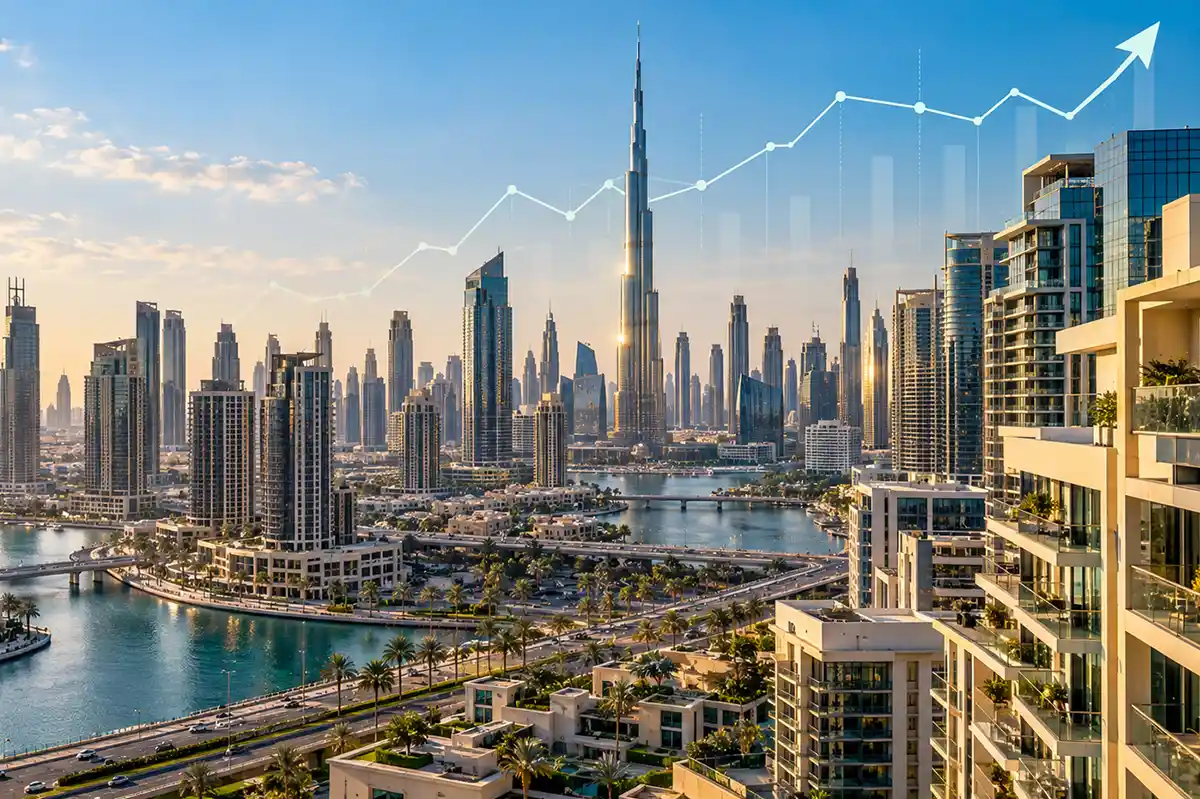
Both 2024 and 2025 have seen the continuation of a dynamic, upward trajectory that began in the post-pandemic recovery phase. This period has been characterized by several key trends and milestones, illustrating robust domestic and international demand.
Here’s an analysis of the key trends in Dubai property transactions during 2024 and 2025:
- Record-Breaking Performance: Data from the Dubai Land Department (DLD) has consistently shown that 2024 and 2025 are setting new benchmarks for both transaction volume and total value. The volume of sales transactions has repeatedly surpassed previous historic highs, underscoring the relentless appetite from investors and homebuyers.
- Strong Demand in Key Segments: The growth is not confined to a single market segment. Both the off-plan and secondary markets are performing exceptionally well. The off-plan market has seen strong investor interest in new projects by major developers, driven by attractive payment plans and the potential for capital appreciation upon completion. Simultaneously, the secondary market is robust, with end-users and long-term investors actively purchasing existing properties, especially in prime locations.
- Sustained Growth in High-End and Luxury Sectors: Dubai continues to attract affluent individuals and high-net-worth investors, driving sustained demand and price increases in the luxury real estate sector. Prime waterfront properties, iconic penthouses, and ultra-luxury villas in exclusive communities like Palm Jumeirah, Dubai Hills Estate, and Emirates Hills are witnessing high volumes of multi-million dirham transactions.
- Increased Foreign Investor Participation: A significant portion of these transactions is driven by international buyers. Dubai's reputation as a safe haven, combined with competitive prices relative to other global cities, and the advantages of the Golden Visa, has made it a top destination for capital, particularly from key markets in Europe, Asia, and the broader Middle East region.
- Focus on Community and Lifestyle: Buyers are increasingly prioritizing properties within integrated, well-planned communities. Developments that offer a complete lifestyle package, including parklands, community centers, sports facilities, high-quality schools, and diverse dining and retail options, are seeing particularly high demand and strong price retention.
This sustained high level of transaction activity in 2024 and 2025 is a testament to the fundamental strengths of Dubai’s economy and its strategic positioning as a leading global city. It validates investor confidence in the long-term potential of the real estate market and reinforces Dubai’s status as a resilient destination for capital during periods of global uncertainty.
Non-Oil GDP and Dubai's Strategic Growth: How Non-Oil Sector Drives Real Estate
One of the most powerful and enduring myths about the GCC region is its total dependence on oil revenue. While true historically for many nations, Dubai is the prime example of a non-oil success story. The story of "Non-oil GDP Dubai property growth" is fundamental to understanding the Emirate's economic resilience and the long-term stability of its real estate market.
For decades, Dubai has pursued a deliberate and highly successful strategy of economic diversification. The Emirate's visionary leadership understood that sustainable growth required shifting reliance away from volatile commodity prices toward sectors that would drive innovation and global integration. This focus has produced a diversified economy where oil revenue now accounts for only a small, declining fraction of Dubai's total GDP.
This strategy has profound positive implications for the real estate market:
- Creating a Stable Economic Base: The growth of non-oil sectors provides a stable economic foundation. While oil price volatility can impact the region, Dubai's non-oil economy, led by strong performance in sectors like tourism, finance, trade, manufacturing, and technology, offers a robust cushion. This reduces overall economic volatility and provides a more predictable environment for real estate investment.
- Generating Employment and Driving Population Growth: The success of sectors like the DIFC (finance) and Jebel Ali Port (trade and logistics) directly fuels job creation across a wide spectrum. This consistent employment growth, particularly attracting highly skilled international professionals, leads to a sustained increase in population. This growing resident population translates directly into consistent demand for all types of residential real estate, from apartments to villas.
- Fuelling Demand for Diverse Commercial Space: As the non-oil economy expands and diversifies, so does the demand for different types of commercial real estate. This goes beyond premium office space in the DIFC. The growth of tourism increases demand for hotels and serviced apartments. The expansion of retail requires innovative shopping and entertainment venues. The rise of technology and creative industries fuels demand for modern coworking spaces and tech parks. The growth of manufacturing and distribution drives demand for high-quality industrial and logistics infrastructure.
- Enhancing UAE's Overall Competitiveness and Attraction: The dynamic, diversified, and non-oil economy significantly enhances Dubai’s global competitiveness. This makes the city an inherently more attractive place for businesses and individuals to establish a long-term presence. This high quality of life and business-friendly environment acts as a magnet for international capital and talent, further strengthening the real estate market over the long term.
In conclusion, the relentless growth of Dubai’s non-oil GDP is the engine that drives its real estate market. This diversification isn't just a strategy; it's the core reason why Dubai is recognized as a resilient and attractive destination for real estate investment, regardless of global economic conditions or the price of oil.