The architectural landscape of Dubai is a marvel of the modern world, a soaring collection of glass, steel, and innovation. However, as the city evolves, the Dubai municipality is pivoting its focus from rapid expansion to the enduring safety and structural integrity of its urban environment. In a landmark legislative move, His Highness Sheikh Mohammed bin Rashid Al Maktoum has issued Law No. (3) of 2026. This regulation fundamentally reshapes real estate law in Dubai, moving away from "build and forget" toward a comprehensive, lifecycle-based safety strategy.
For residents, investors, and developers, this decree is a game-changer. It emphasizes that the prestige of a property is no longer just about its height or amenities, but about its adherence to the rigorous standards of Dubai building code. From the moment of handover—where a property snagging company ensures quality—to the building’s 50th year, safety is now a continuous legal obligation.
Strategic Goals of the 2026 Safety Law
The primary ambition of this new legislation is to fortify the long-term resilience of the city. By enforcing proactive maintenance and strict structural oversight, the Dubai municipality aims to:
- Safeguard Public Well-being: Minimizing risks associated with aging infrastructure or mechanical failures.
- Uphold Global Benchmarks: Aligning Dubai’s safety protocols with the highest international standards of engineering.
- Protect Real Estate Investments: Ensuring that property values remain stable through mandatory upkeep and certification.
- Streamline Inspections: Utilizing digital tracking to monitor the "health" of every structure across the emirate.
Empowering the Dubai Municipality
Under Law No. (3), the Dubai municipality is designated as the primary regulator, granted enhanced powers to monitor and enforce compliance. Their expanded role includes:
- Mandatory Safety Audits: The authority will conduct unannounced inspections to verify that buildings meet the latest safety requirements.
- A Unified Digital Safety Registry: A new platform where every building’s maintenance history and safety status are logged.
- Strict Enforcement: The Dubai municipality is authorized to issue substantial fines, starting from AED 10,000 for minor infractions up to AED 1,000,000 for life-threatening structural neglect.
The Rise of Building Inspection Dubai: The 10-Year Cycle
A core component of the new law is the "Quality and Safety Certificate." This isn't a one-time permit; it is a recurring requirement that forces owners to invest in building inspection services.
Certification Renewal Timelines
- Newer Structures (Up to 40 years): Owners must obtain a new certificate every 10 years.
- Legacy Structures (40+ years): Due to the increased risk of material fatigue, these buildings require a safety renewal every 5 years.
To secure these certificates, owners must commission an accredited engineering firm to perform a "deep dive" into the building’s structural health, fire safety systems, and electrical networks.
Why "Snagging Dubai" is Vital for Every Buyer
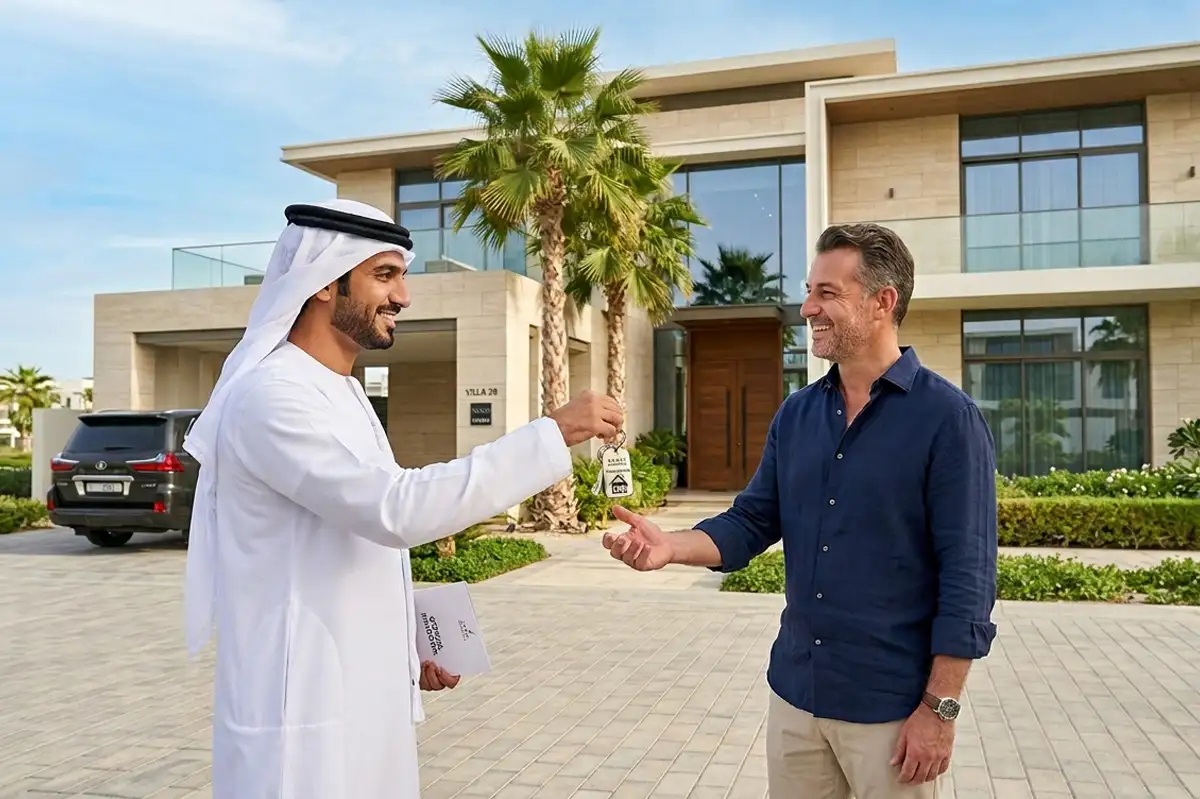
In the context of these new, stricter laws, the handover phase of a property has become a critical legal milestone. Engaging in property snagging is the only way a buyer can ensure they aren't inheriting liabilities that will lead to future fines from the Dubai municipality.
The Value of Professional Property Snagging Dubai
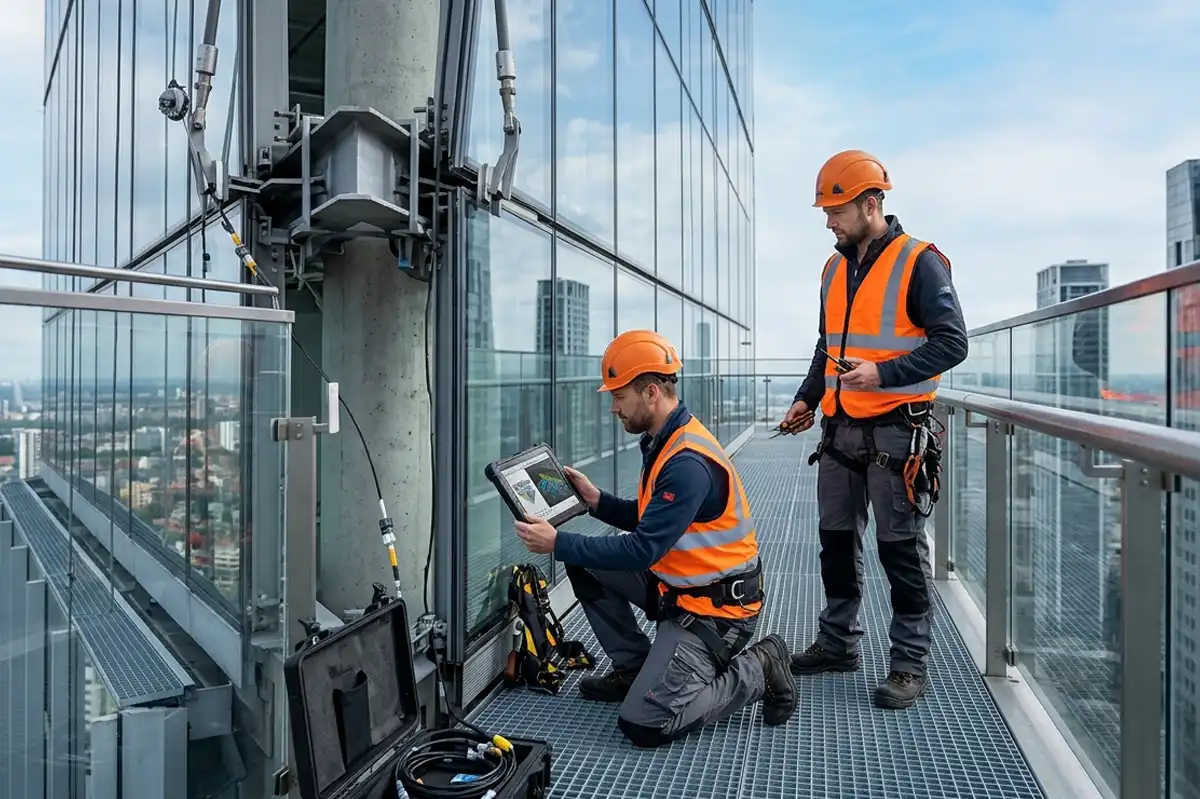
A property snagging company acts as a technical advocate for the buyer. During a snagging session, inspectors look for:
- Structural Weakness: Identifying hairline cracks or foundation issues before they escalate.
- Compliance with the Dubai Building Code: Ensuring the developer has used approved materials and installation methods.
- MEP Efficiency: Testing the Mechanical, Electrical, and Plumbing systems to ensure they are fit for purpose.
By opting for property snagging services, owners can demand that developers fix issues during the initial warranty period. This is essential because, under the new law, if a building is found to be non-compliant, the current owner—not necessarily the developer—is often held responsible for the cost of retrofitting.
Selecting a Property Snagging Company Dubai
The market for Dubai property snagging has grown increasingly sophisticated. Buyers are now looking for a property snagging company Dubai that utilizes advanced tech, such as moisture sensors and thermal cameras, to provide a comprehensive report that can stand up in court or during a Dubai municipality audit.
Proactive Property Maintenance Dubai: An Owner’s Mandate
The era of reactive repairs is over. The new law dictates that property maintenance in Dubai must be preventative. Owners and homeowners' associations (HOAs) are now legally required to:
- Maintain Service Records: Keeping a detailed log of all repairs to elevators, fire alarms, and HVAC systems.
- Immediate Rectification: Addressing any safety hazard identified by a resident or official within a set number of days.
- Annual Safety Reviews: While the official certificate is every 5–10 years, the Dubai municipality encourages annual internal reviews to maintain standards.
Strengthening Tenant Rights Dubai
Sheikh Mohammed’s new law isn't just about structures; it’s about the people living in them. It introduces significant protections regarding tenant rights in Dubai, specifically in cases where safety work is required.
If a building is deemed unsafe and requires residents to vacate:
- Right of Re-entry: Tenants have the legal right to move back into their unit once the safety upgrades are complete.
- Price Stability: The law aims to prevent landlords from using safety renovations as a "loophole" to hike prices, often requiring a Dubai tenant rights judge to oversee lease renewals in these specific scenarios.
- Fair Notice: Landlords must provide documented proof from the Dubai municipality before requesting a tenant to vacate for safety reasons.
The Future of Dubai Property Law
This legislative shift is a clear signal that the Dubai real estate market is maturing. By integrating safety into the core of real estate law in Dubai, the government is building a more resilient economy.
Economic Impact
Investors are likely to favor buildings with high safety ratings. Much like an energy efficiency rating, a "Safety Gold Standard" from the Dubai municipality will likely become a primary selling point for premium real estate. This makes early building inspection and high-quality property maintenance reasonable financial strategies rather than just overhead costs.
A City Built on Safety
Law No. (3) of 2026 represents a bold step forward in urban governance. By placing the responsibility for building health on the shoulders of owners and empowering the Dubai municipality with the tools to monitor the city’s skyline, Dubai is ensuring that its growth is as safe as it is spectacular.
Whether you are an investor looking for a property snagging company in Dubai to protect your new asset, or a resident concerned about tenant rights Dubai, this law provides a clear, transparent framework for the future. In the world of Dubai property law, safety is no longer an option, it is the law.
Key Takeaways for Property Owners
| Area | Requirement |
| New Handovers | Invest in Dubai property snagging to catch defects early. |
| Certification | Renew your Safety Certificate every 10 years (or 5 for older buildings). |
| Documentation | Keep all property maintenance logs updated for municipality audits. |
| Compliance | Ensure all modifications adhere strictly to the Dubai building code. |
By embracing these changes, the Dubai real estate community can ensure that the city remains the world's most attractive destination for living, working, and investing.